Specialist Personnel Hire
Sherrington Lifting Services provides professional specialist personnel hire to support safe, compliant, and efficient lifting operations nationwide. From crane operators to appointed persons and lift engineers, our highly qualified team delivers the expertise your project needs, exactly when you need it.
Professional Personnel Hire Services
At Sherrington Lifting Services, we understand that successful lifting operations depend on more than just high-quality equipment — they require experienced, qualified and professional personnel who can plan, manage and execute lifting projects safely and efficiently. Our Specialist Personnel Hire Services are designed to provide businesses with access to highly trained lifting professionals who support crane operations, contract lifting projects, heavy transport, machinery movements and engineered lifting solutions across Liverpool, Manchester, the North West and throughout the UK.
With years of experience within the lifting, transport and logistics industry, Sherrington Lifting Services supplies skilled personnel for projects ranging from straightforward crane lifts to highly complex heavy lifting operations. Whether you require a single certified crane operator or a complete lifting management team, we provide reliable, fully qualified professionals who help ensure all lifting activities are carried out safely, efficiently and in full compliance with UK lifting regulations including LOLER 1998 and BS7121 standards.
Specialist Personnel Hire for Lifting Operations
Our specialist personnel hire service gives clients access to experienced lifting professionals capable of supporting projects across construction, infrastructure, industrial engineering, renewable energy, logistics and heavy haulage sectors. Every member of our team is selected for their technical ability, industry knowledge and commitment to maintaining the highest standards of health and safety on site.
We provide a wide range of lifting personnel and specialist support services, including:
- Appointed Persons (AP) for lift planning and management
- Certified crane operators
- Mobile crane operators
- All-terrain crane operators
- Crane supervisors
- Slinger/signallers
- Rigging specialists
- Lift engineers
- HIAB operators and drivers
- CPCS and NPORS qualified personnel
- Heavy lifting support teams
- Machinery movement specialists
- Site lifting coordinators
- Temporary and long-term staffing solutions
- Contract lifting support personnel
- Lift planning and engineering support
- On-site supervision and safety management
Our experienced Appointed Persons are responsible for planning and overseeing complex lifting operations, ensuring lifts are conducted safely and according to current legislation. Crane supervisors coordinate lifting activities on site, while slinger/signallers and riggers manage safe load handling, load stability and communication throughout the lifting operation.
Whether your project requires specialist support for a single lift, shutdown work, heavy machinery installation or ongoing contract lifting operations, we can provide tailored personnel solutions to meet your operational requirements.
Fully Managed Personnel Hire Solutions
At Sherrington Lifting Services, we offer a comprehensive and fully managed personnel hire service designed to make project staffing straightforward and reliable. We understand that every lifting operation has unique requirements, which is why we work closely with clients to supply personnel with the correct qualifications, experience and expertise for the specific demands of the project.
Our specialist personnel hire services include:
- Fully trained and certified lifting professionals
- Site-specific personnel assessments
- Flexible short-term and long-term hire options
- Contract and project-based staffing solutions
- Compliance with LOLER and BS7121 regulations
- Dedicated project and operational support
- Health and safety compliance assistance
- Lift planning and operational coordination
- Expert advice on lifting personnel requirements
By outsourcing your specialist staffing requirements to Sherrington Lifting Services, you gain access to dependable professionals without the need to recruit, train or manage additional personnel internally.
Supporting Multiple Industries Across the UK
Our specialist lifting personnel support a wide range of industries and sectors throughout Liverpool, Manchester, the North West and nationwide. We regularly supply lifting professionals for:
- Construction and infrastructure projects
- Civil engineering works
- Manufacturing and engineering facilities
- Heavy machinery relocation projects
- Renewable energy installations
- Wind turbine and energy infrastructure projects
- Heavy haulage and abnormal load transport
- Industrial shutdowns and maintenance projects
- Marine and port operations
- Events, staging and film production rigging
From bridge installations and high-rise developments to factory relocations and specialist engineering projects, our experienced lifting personnel help ensure operations are completed safely, efficiently and with minimal disruption.
Lift Planning & Engineering Services
In addition to personnel hire, Sherrington Lifting Services also provides professional lift planning and engineering services to support complex and high-risk lifting operations. Lift planning is a critical part of any successful lifting project and involves detailed analysis, technical design and operational management to ensure lifts are completed safely and efficiently.
Our lift planning and engineering services include:
- Engineered lift studies
- 3D CAD lift planning and modelling
- Ground load and outrigger pressure analysis
- Rigging design and configuration
- Spreader beam and lifting frame design
- Structural load assessments
- Method statements and risk assessments
- Site feasibility studies
- Contract lifting project management
- LOLER and PUWER compliance support
- On-site lifting supervision and coordination
Our engineering team specialises in developing lifting solutions for heavy, complex and high-risk operations across construction, industrial, marine and energy sectors. Using advanced planning methods and detailed technical analysis, we help clients reduce operational risk, improve efficiency and maintain full compliance with current lifting regulations.
Trusted Specialist Personnel Hire from Sherrington Lifting Services
At Sherrington Lifting Services, we are committed to delivering professional, reliable and safety-focused specialist personnel hire solutions for projects of all sizes. Our combination of experienced lifting professionals, industry expertise and nationwide support allows us to provide dependable staffing solutions tailored to the exact needs of your operation.
Whether you require crane operators, rigging teams, lifting supervisors, Appointed Persons or complete project support, our experienced personnel are ready to assist with lifting projects across the UK.
Contact Sherrington Lifting Services today to discuss your specialist personnel hire requirements and discover how our experienced lifting professionals can support your next project safely and efficiently.
Previous Work
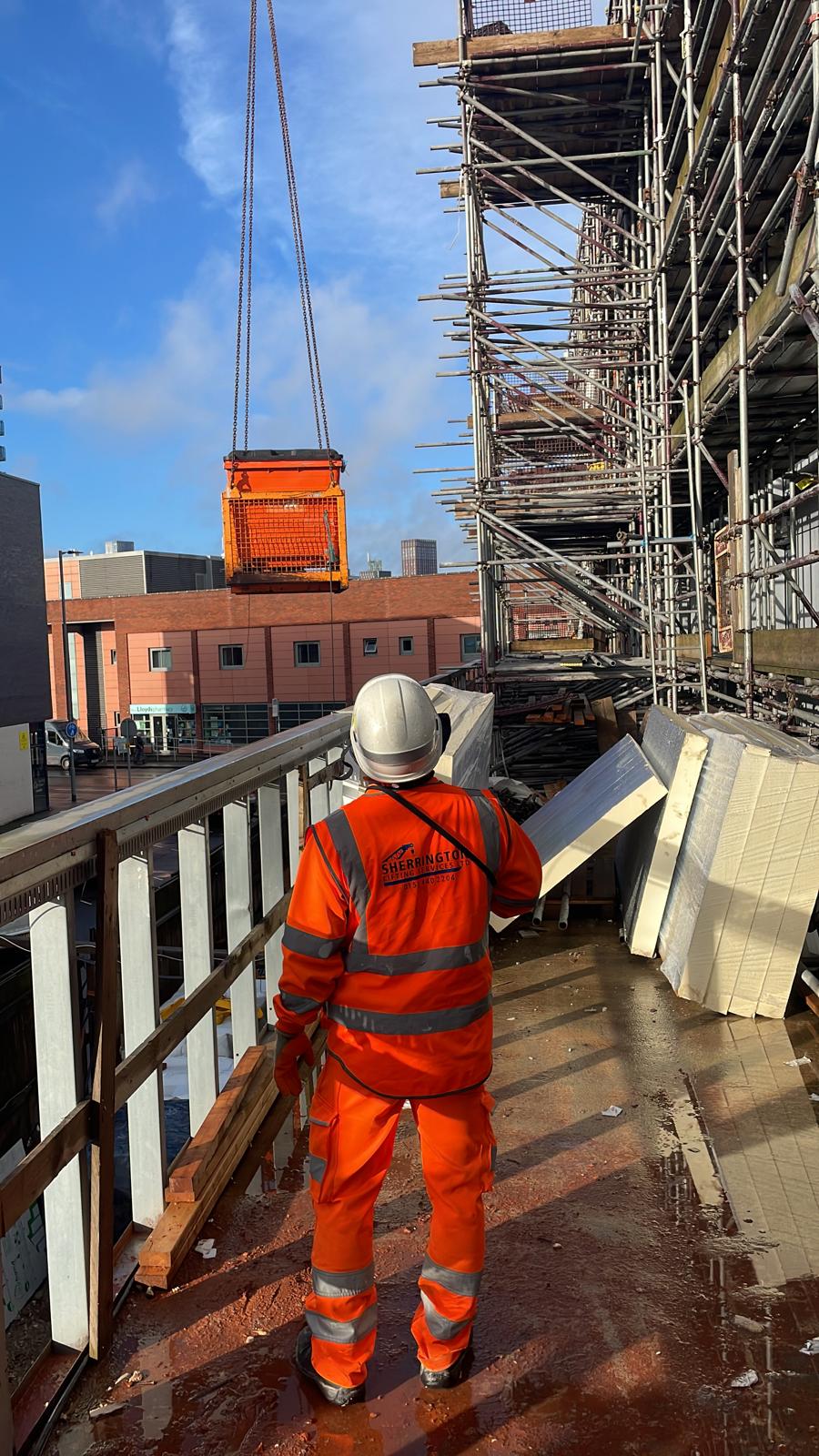
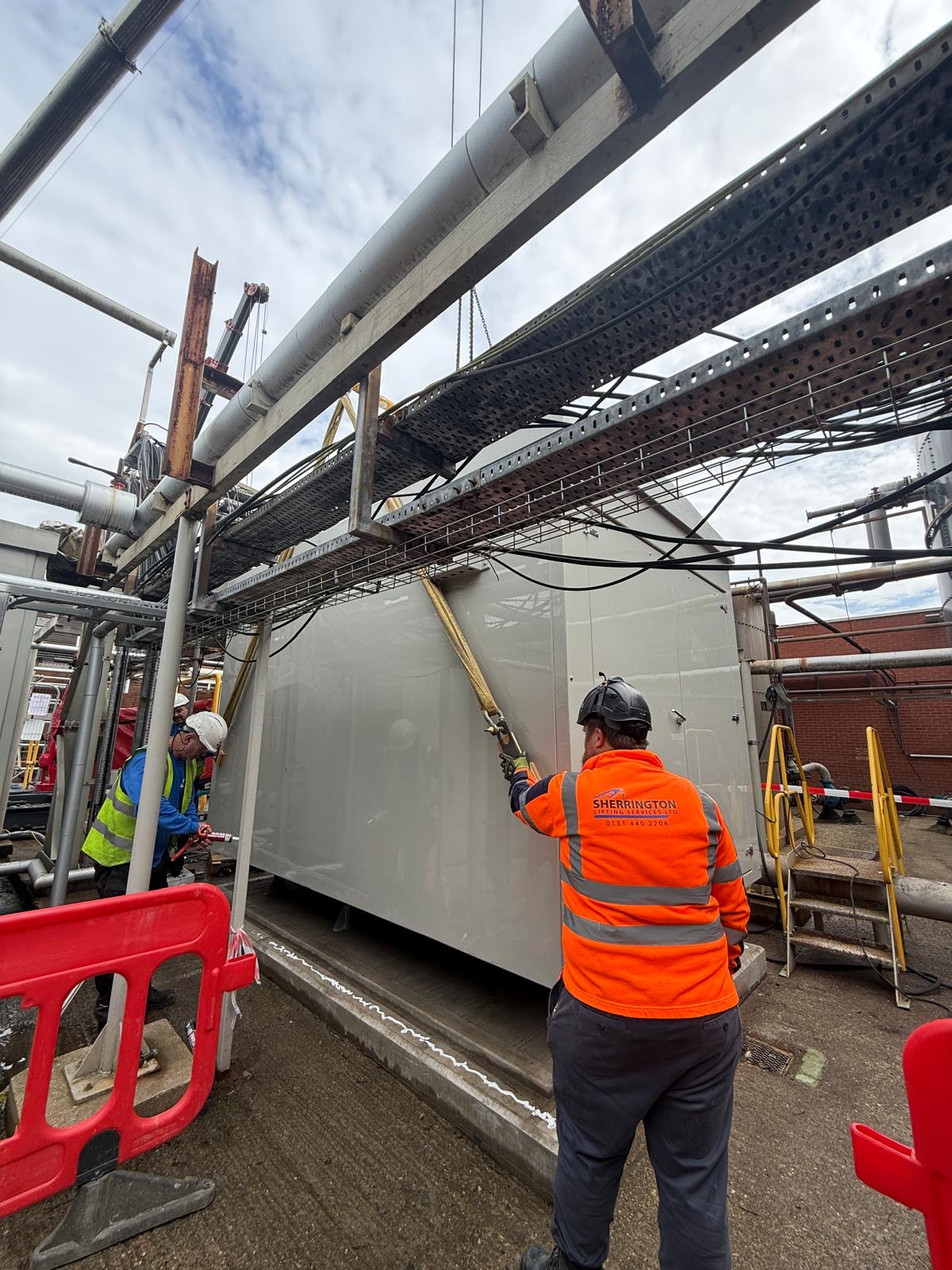
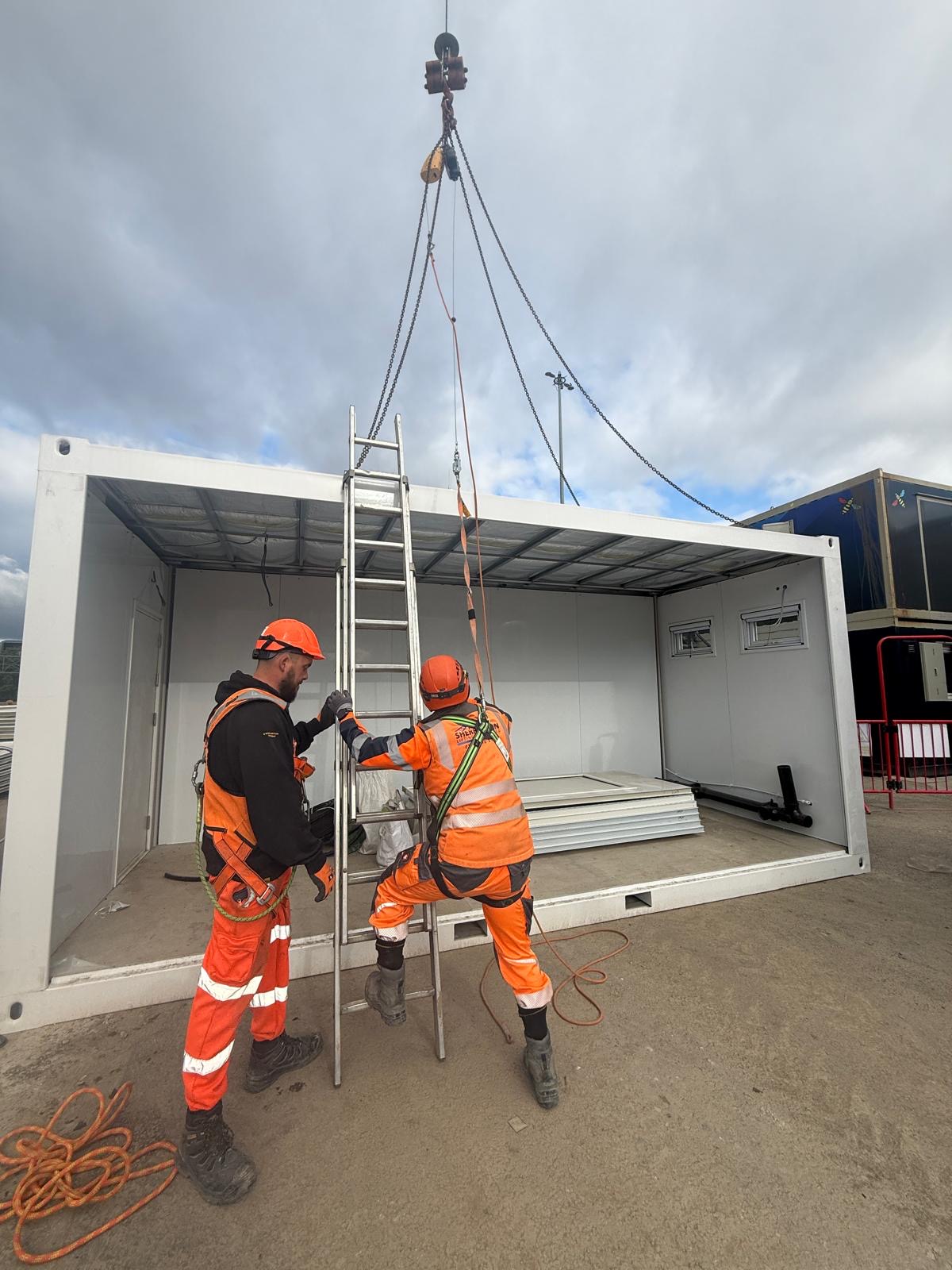
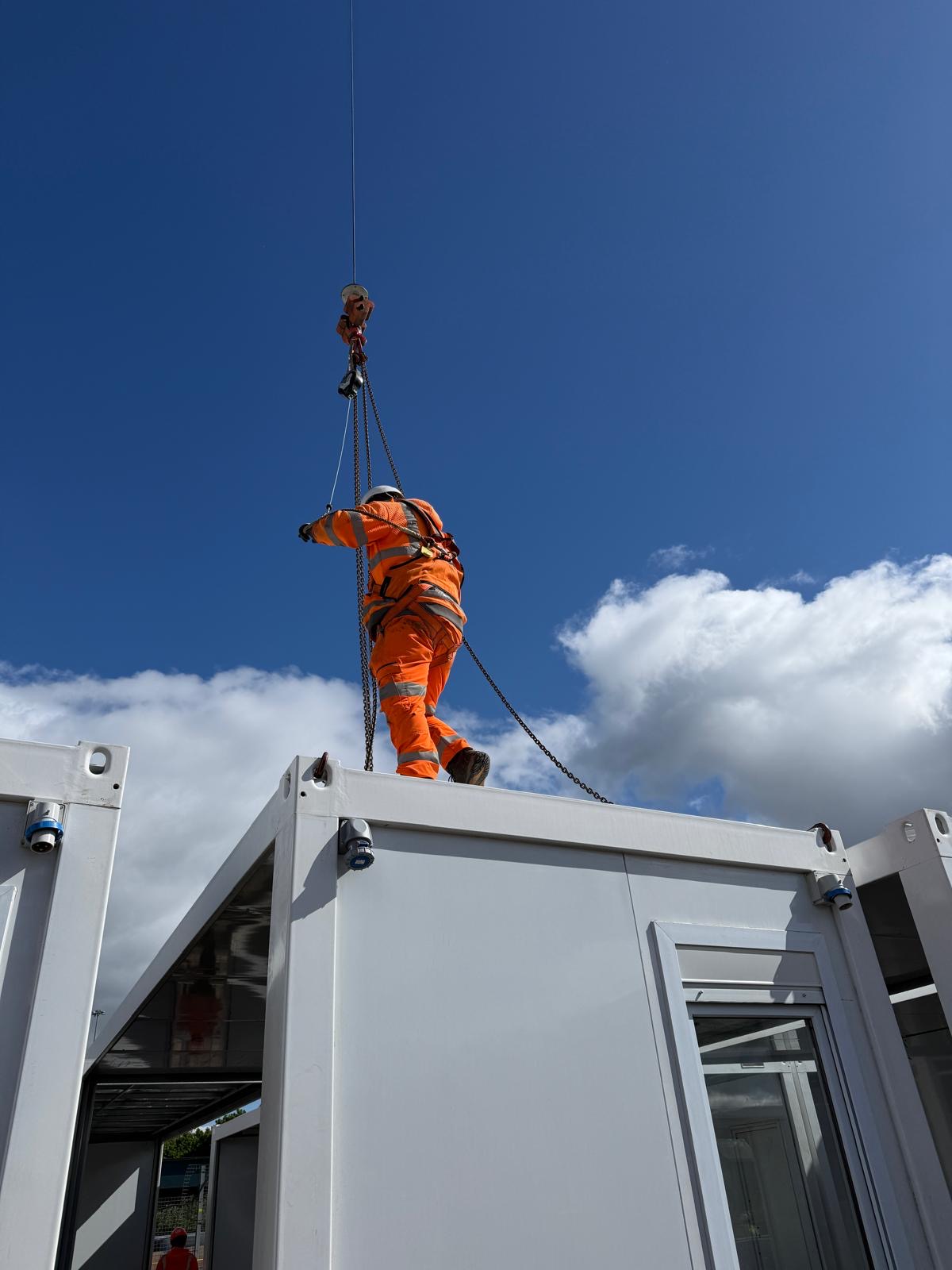
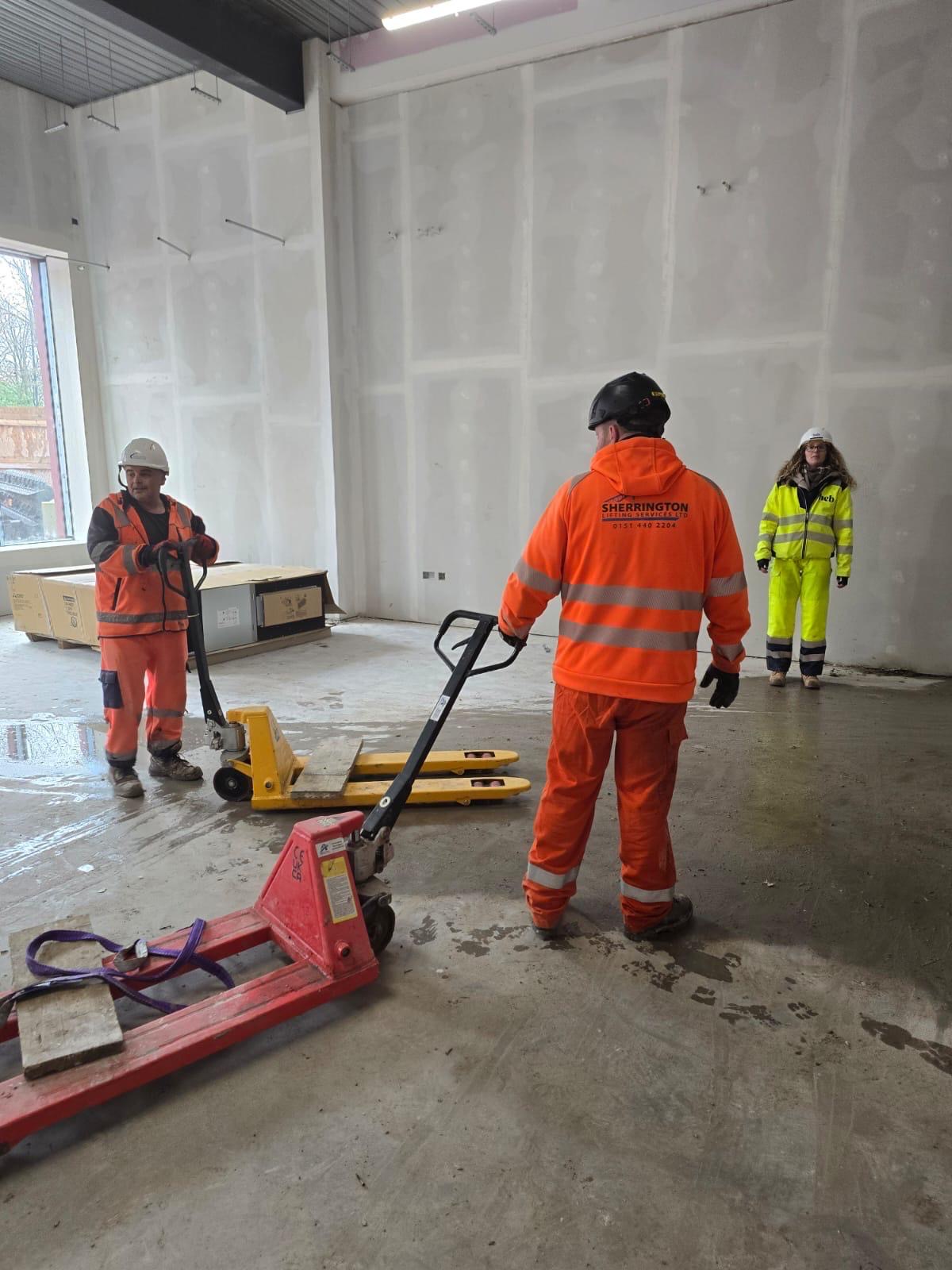
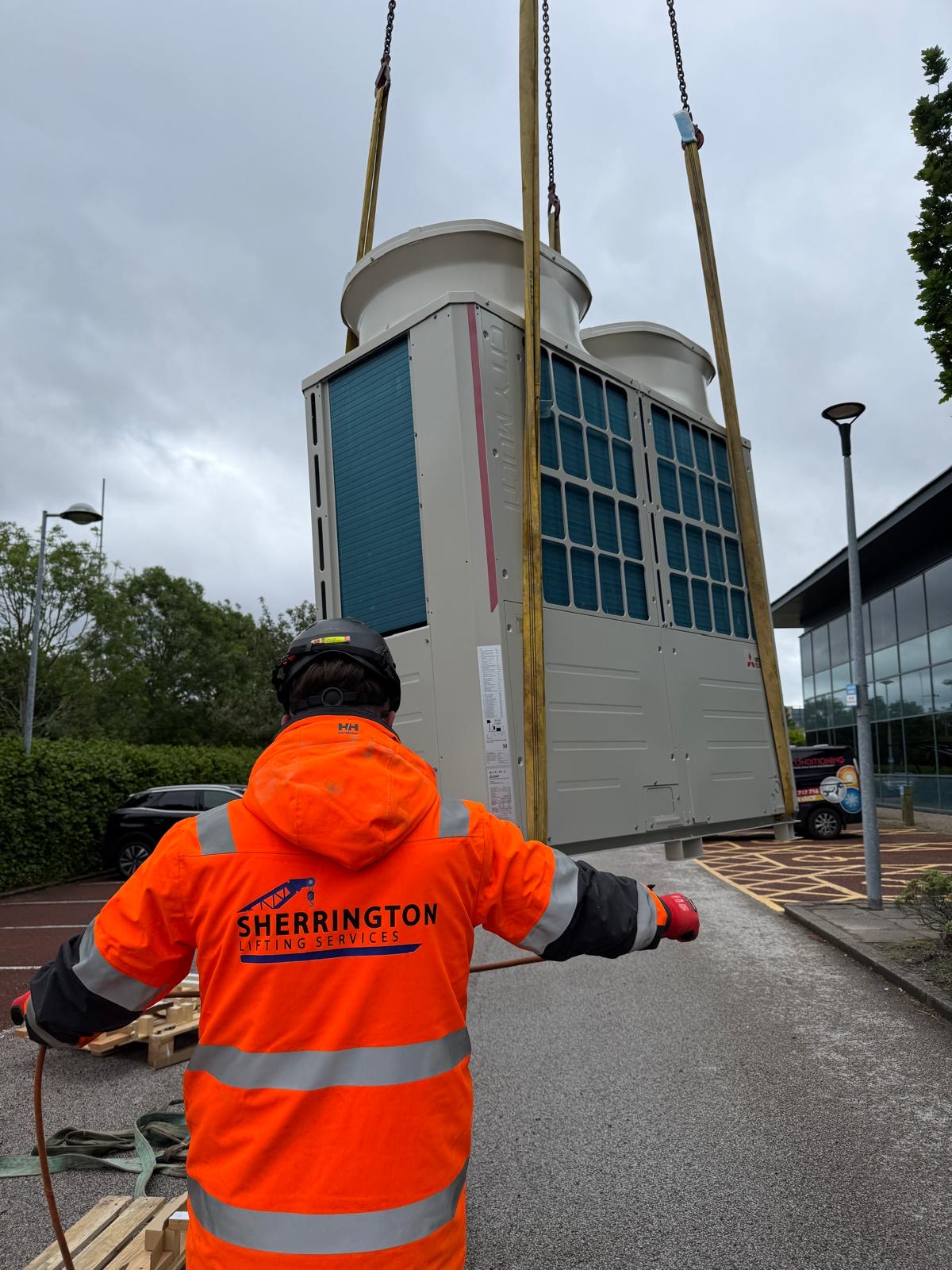
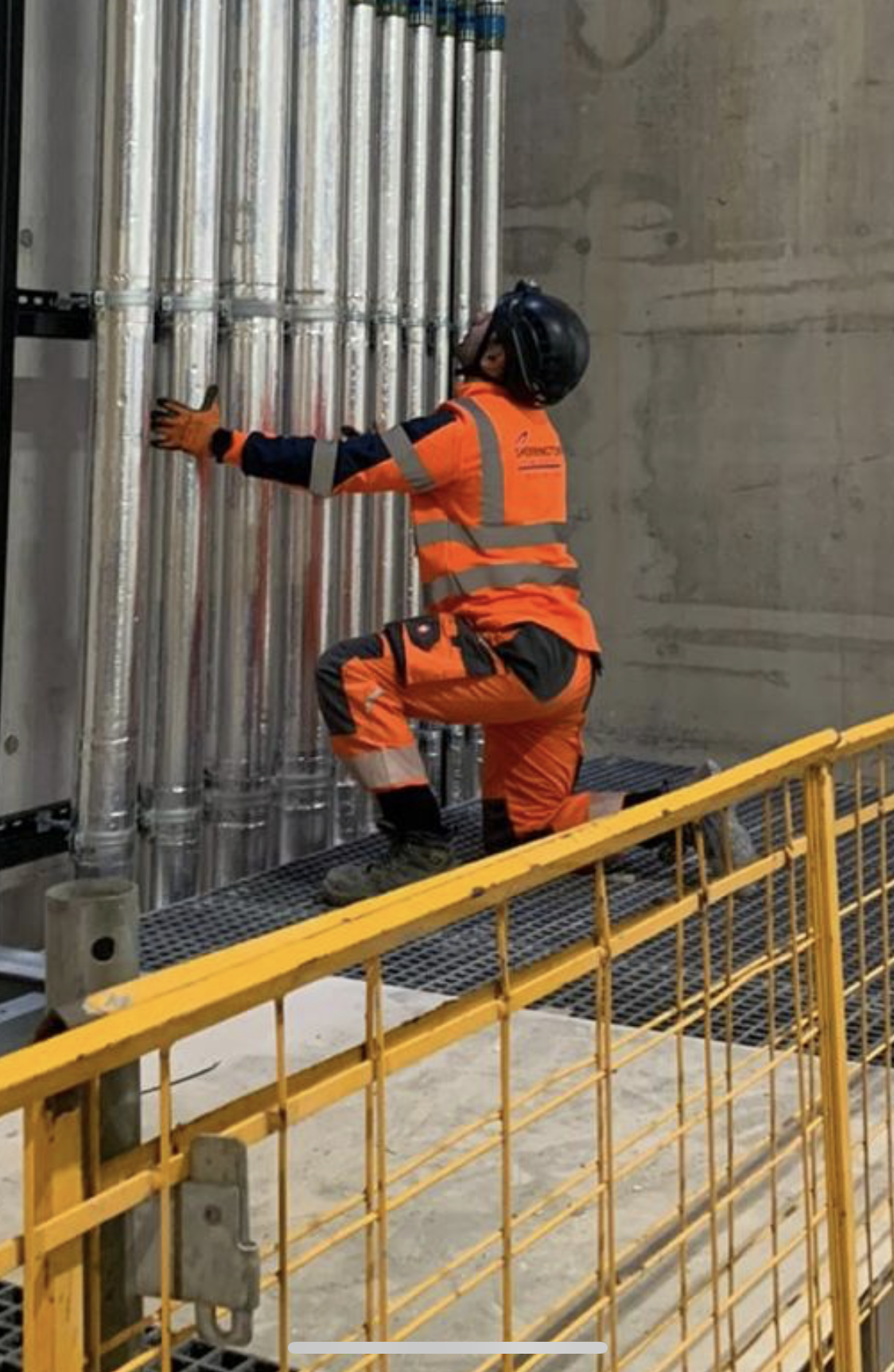
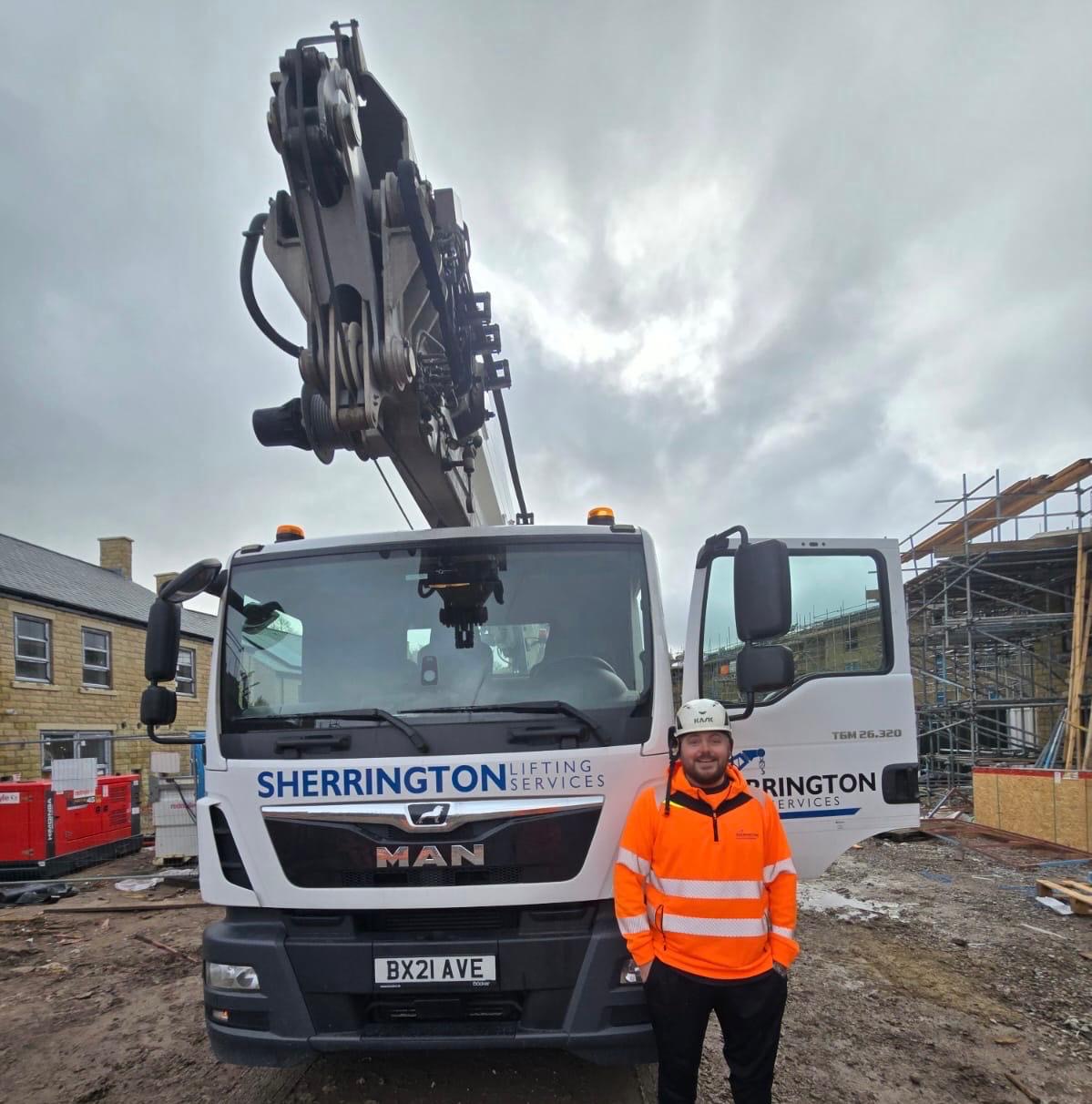
Take a look at some of the work we have carried out. Sherrington Lifts provide Crane Hire and related services in Liverpool, Manchester, and the North West.
Related Case Studies