Contract Lifting Liverpool
Professional Crane Hire Solutions from Sherrington Lifting Services
Our Approach
Unlike a standard CPA crane hire arrangement, Sherrington Lifting Services provides a fully managed contract lifting service, taking complete responsibility for the entire lifting operation from initial planning through to final execution. This comprehensive solution is designed to give clients total peace of mind while ensuring every lift is carried out safely, efficiently and in full compliance with current industry regulations including BS7121 and LOLER standards.
With our professional contract lifting service, clients are supplied with the appropriate mobile crane, lifting equipment, lifting tackle, and all required documentation, certification, and compliance paperwork. Unlike basic crane hire, Sherrington Lifting Services also provides a highly experienced lifting team to oversee and manage every stage of the operation. This includes a qualified Appointed Person, Crane Supervisor, Crane Operator, and Slinger/Signaller, ensuring the lift is planned and executed to the highest safety standards.
Our contract lift solutions are particularly beneficial for complex lifting projects, specialist lifting operations, construction sites, industrial installations, and projects where on-site personnel may not have the required crane lifting expertise. By placing the responsibility with Sherrington Lifting Services, clients benefit from reduced risk, full operational management, and complete insurance cover throughout the lifting process.
Every contract lift is carefully tailored to the project requirements and can include detailed site inspections, professional lift planning, comprehensive risk assessments, and ongoing risk management to ensure all hazards are identified and controlled before work begins. We also prepare all necessary method statements, organise permits, coordinate road closures, implement traffic management solutions, and liaise directly with local authorities where required.
In addition to crane hire and lift management, Sherrington Lifting Services can arrange transportation logistics, provide specialist lifting equipment and certified lifting tackle, and deliver a complete turnkey lifting solution for projects of any size. Our experienced team works across a wide range of sectors, delivering safe, reliable and cost-effective contract lifting services throughout the UK.
Previous Work
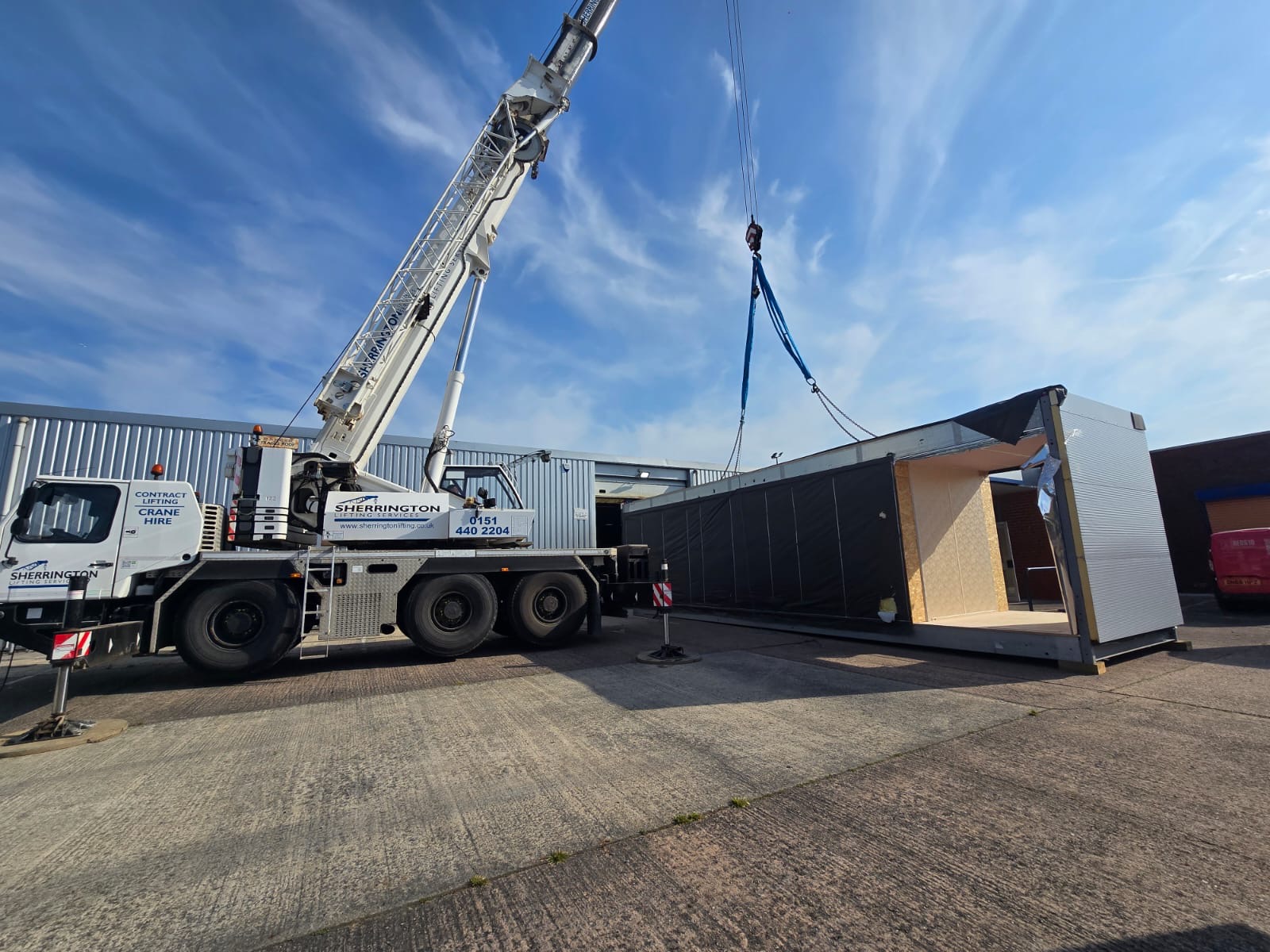
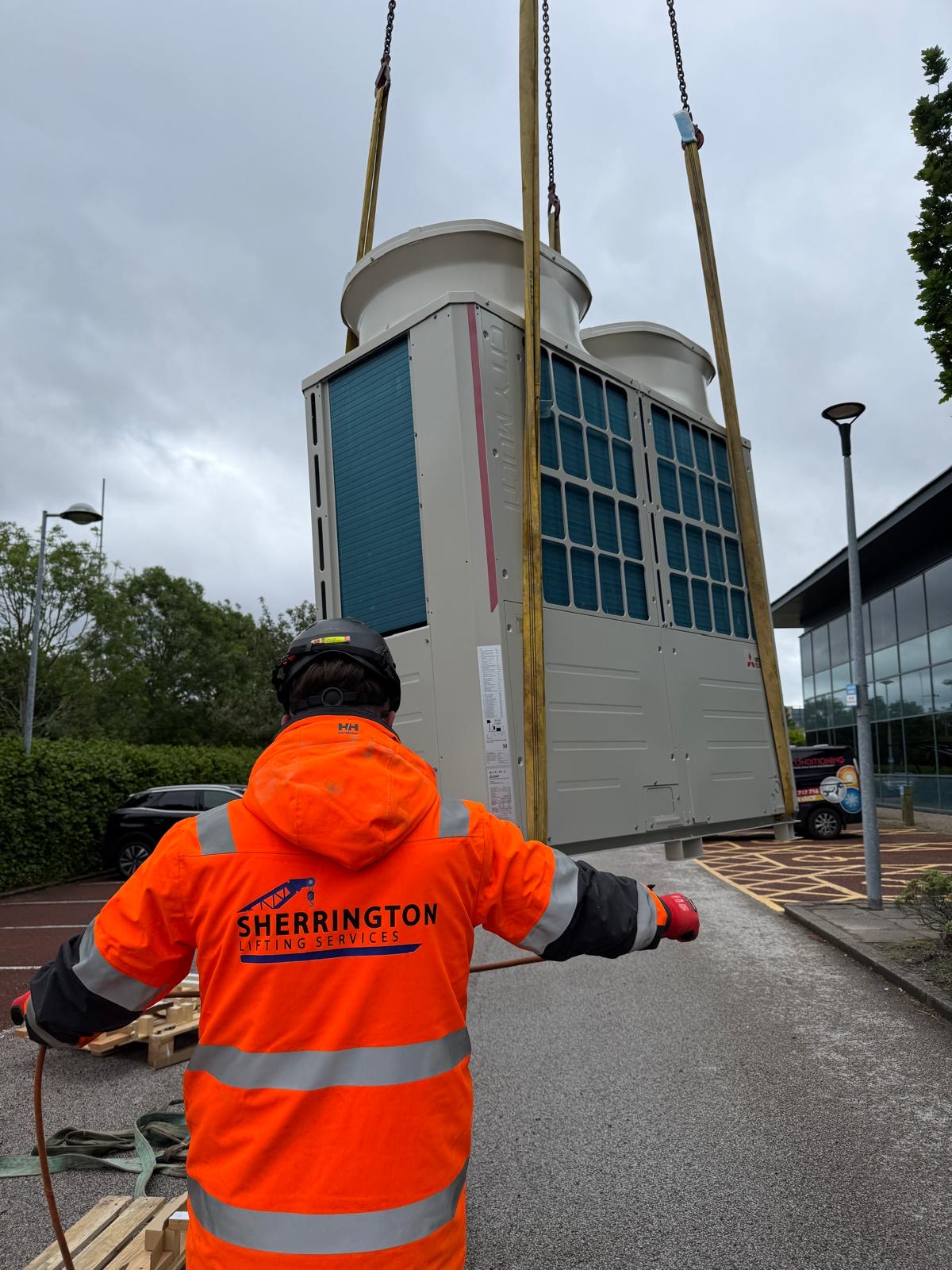
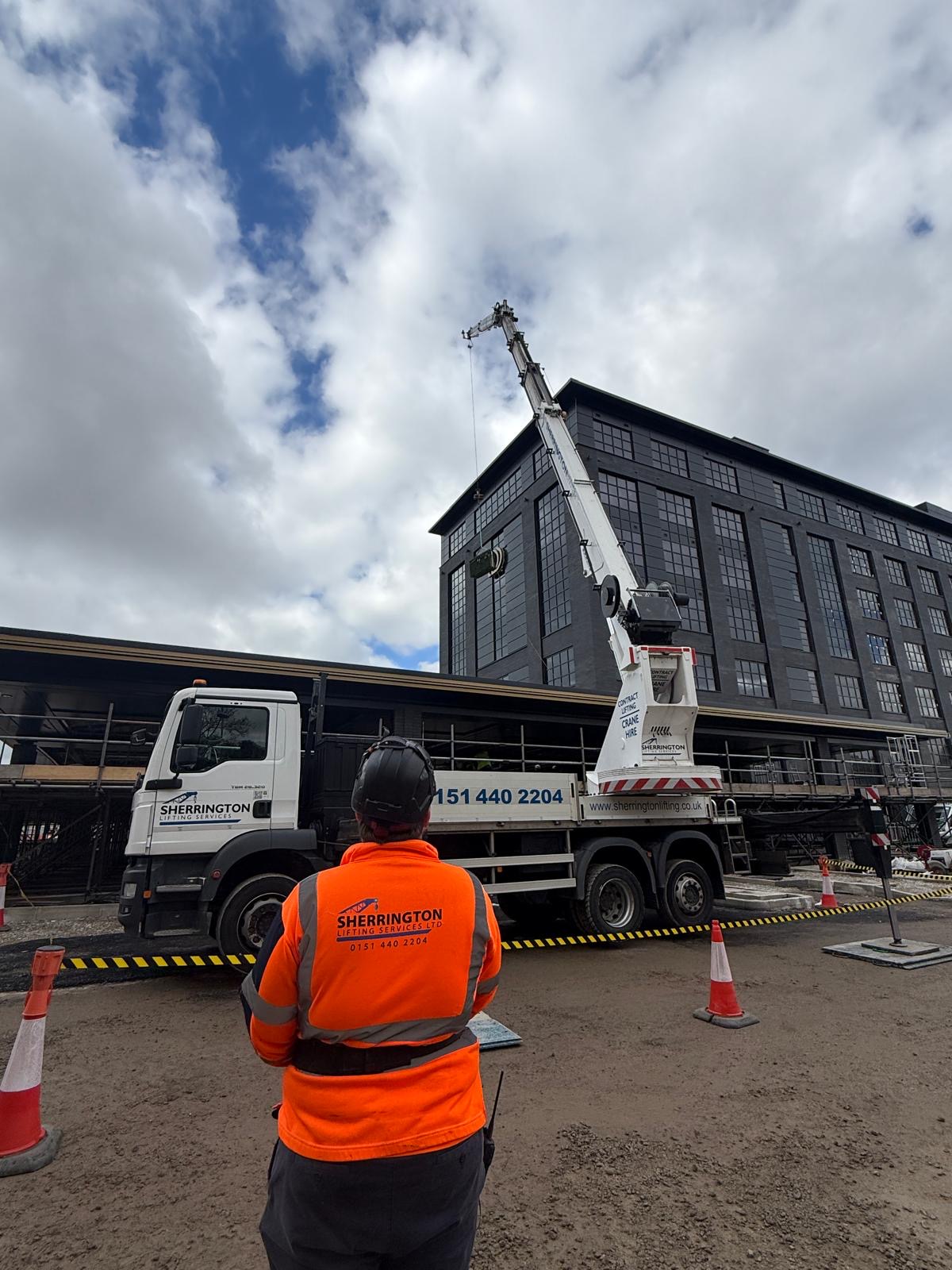
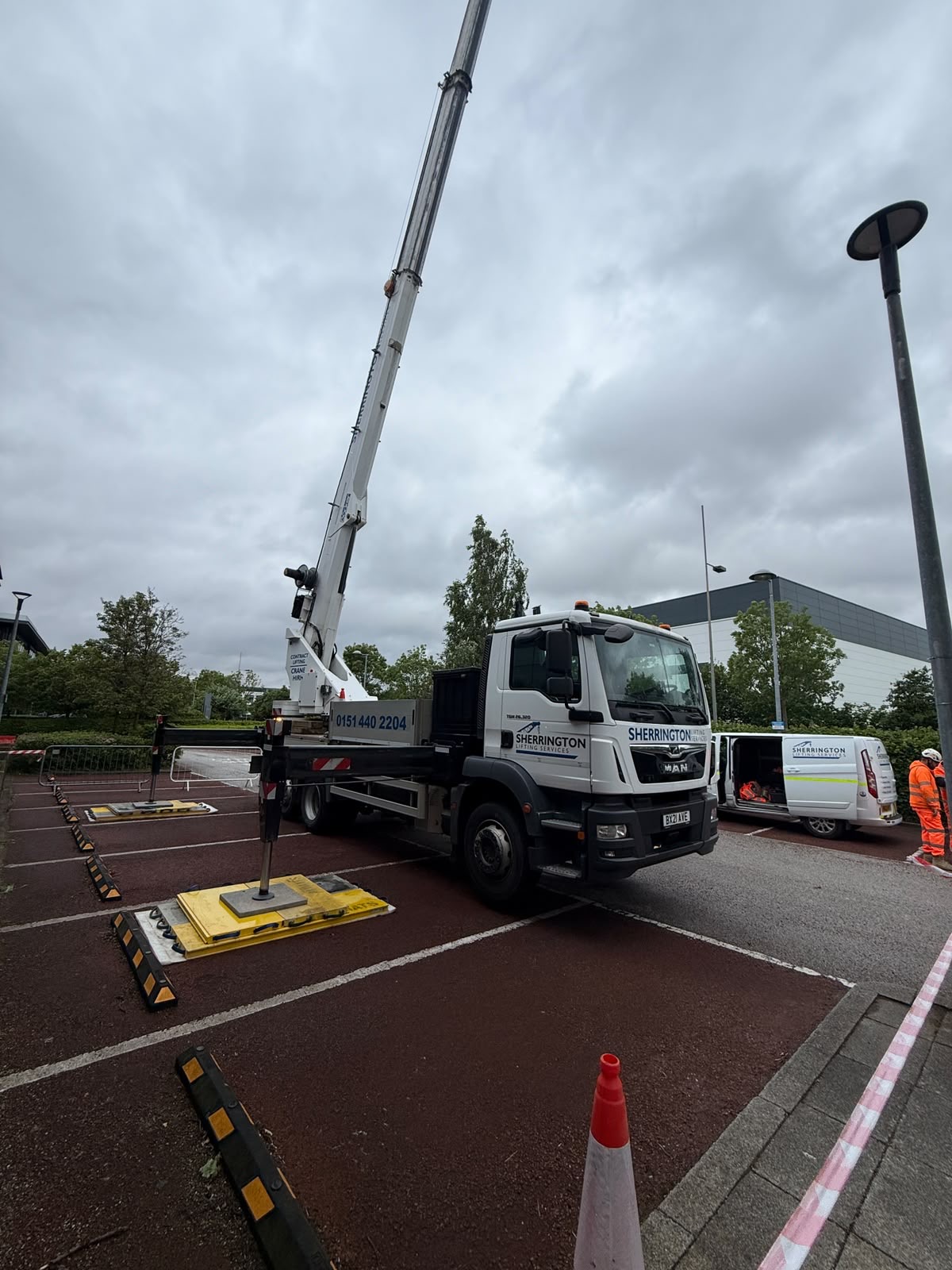
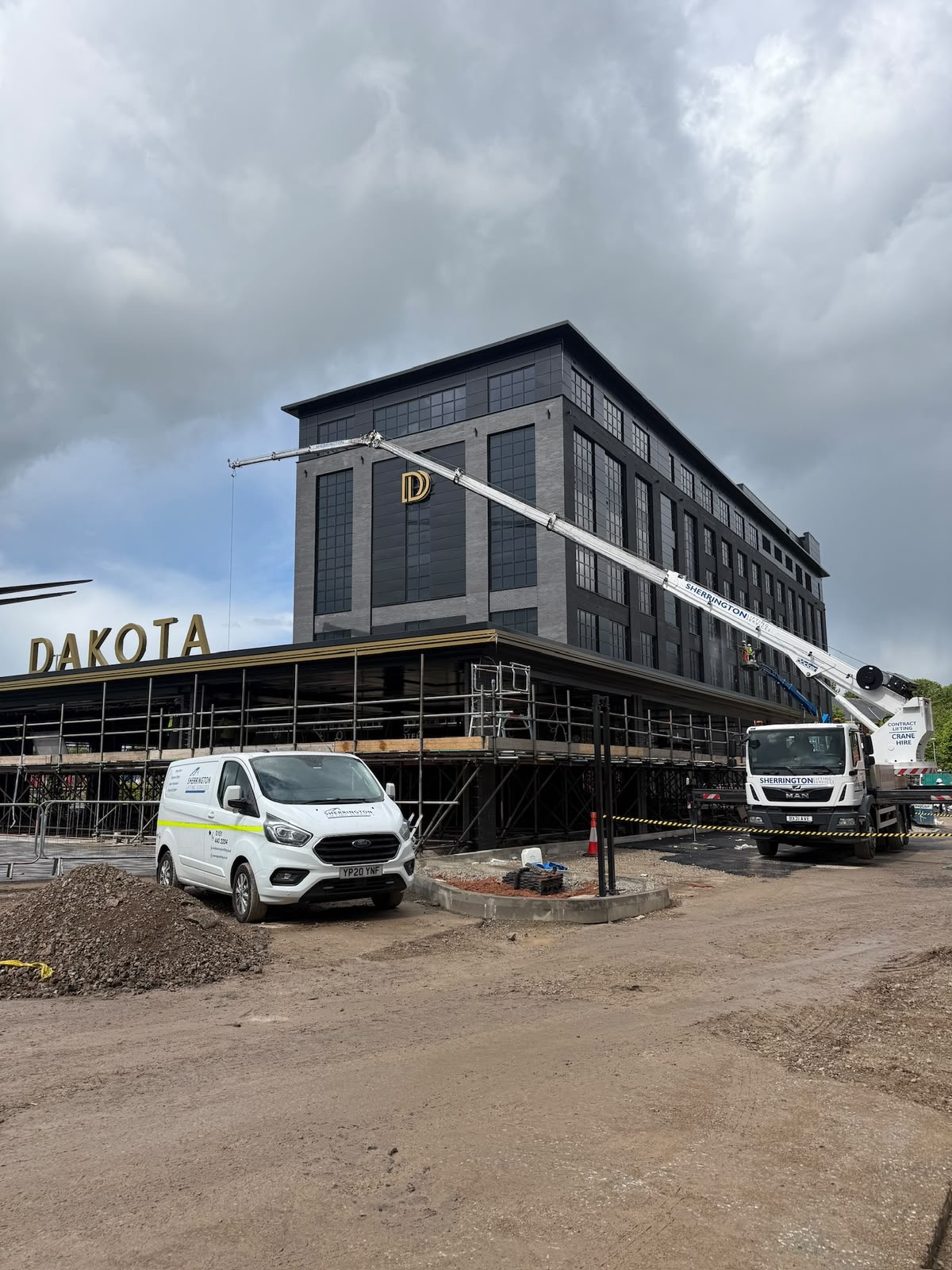
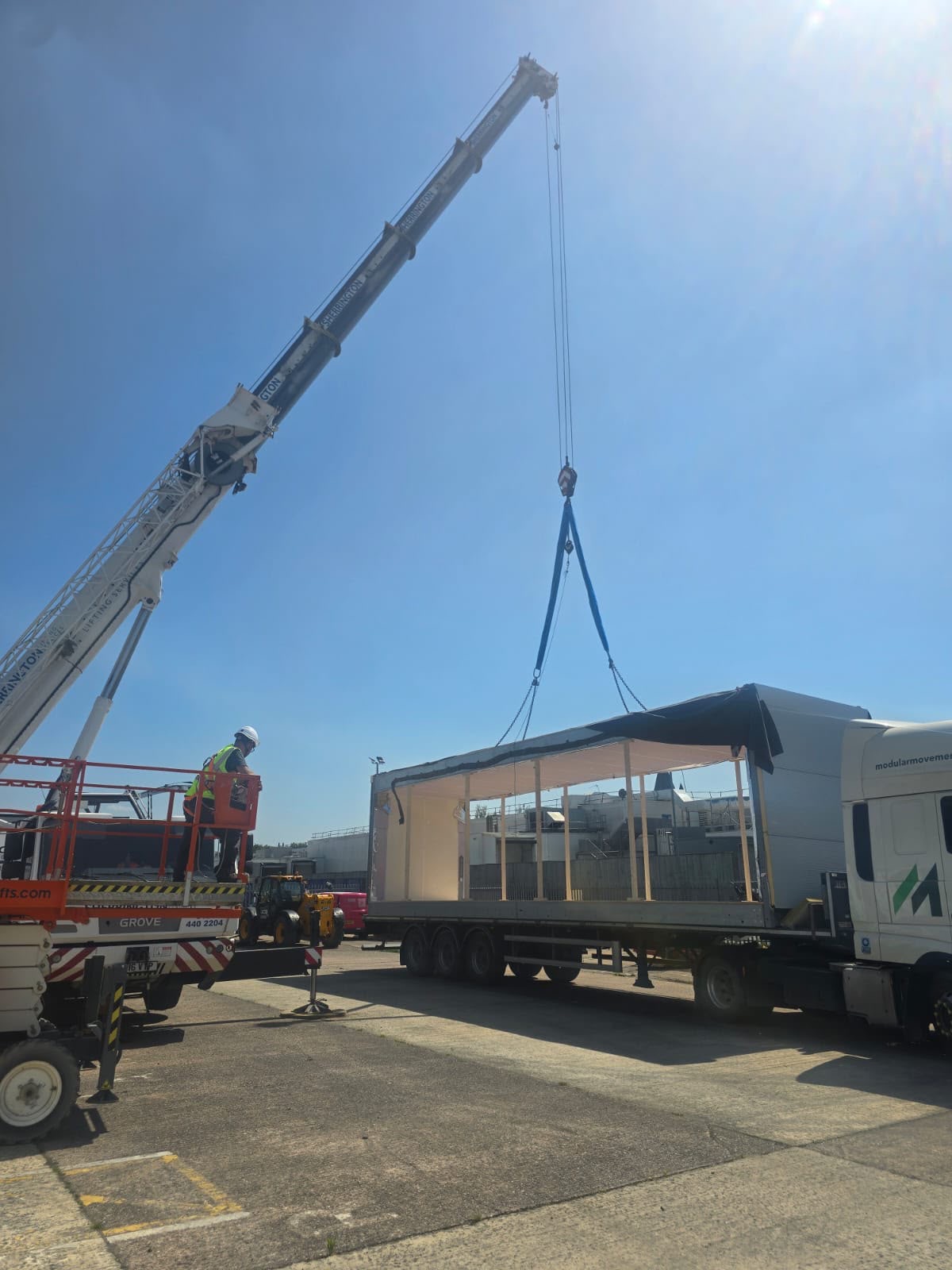
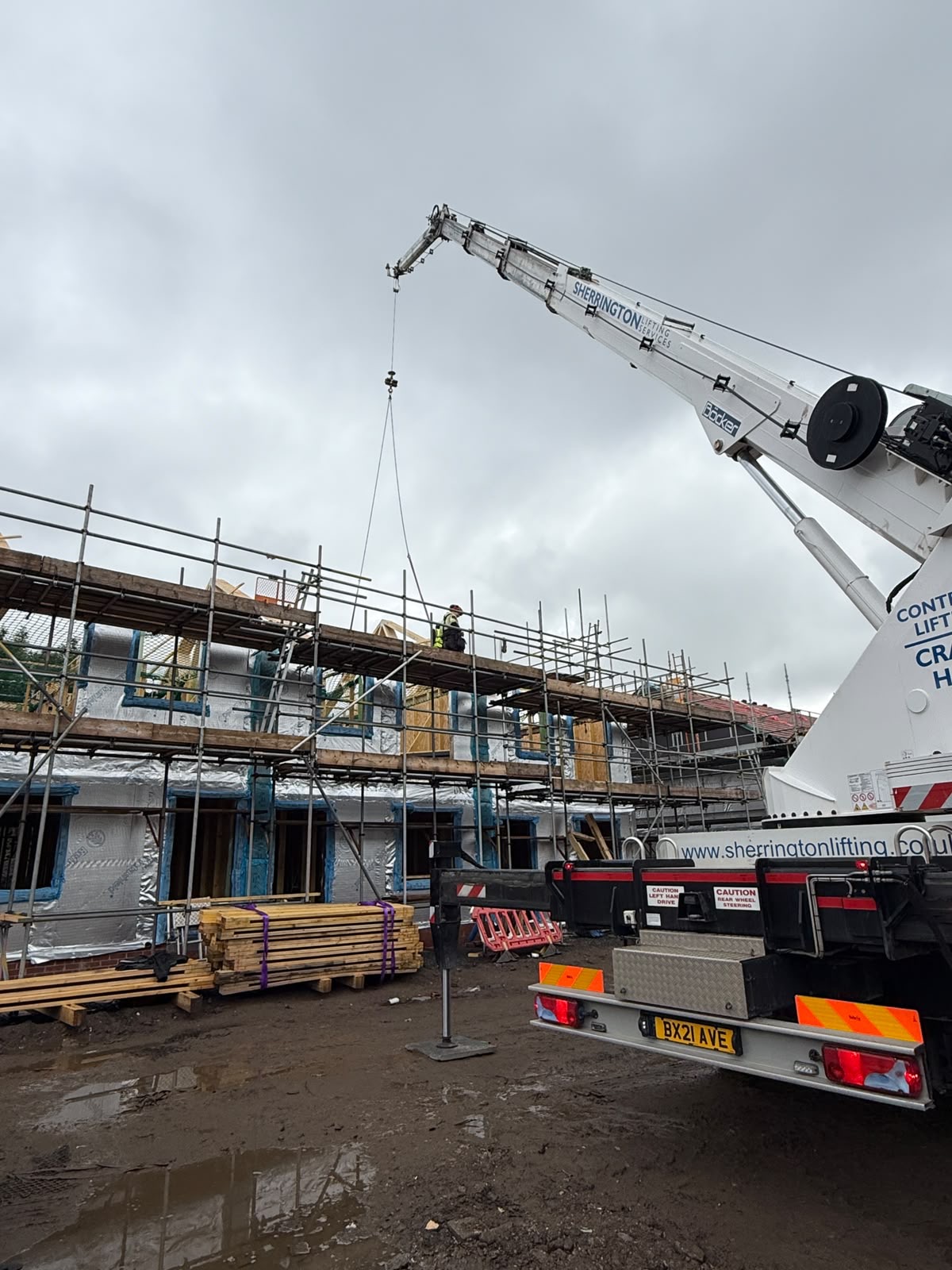
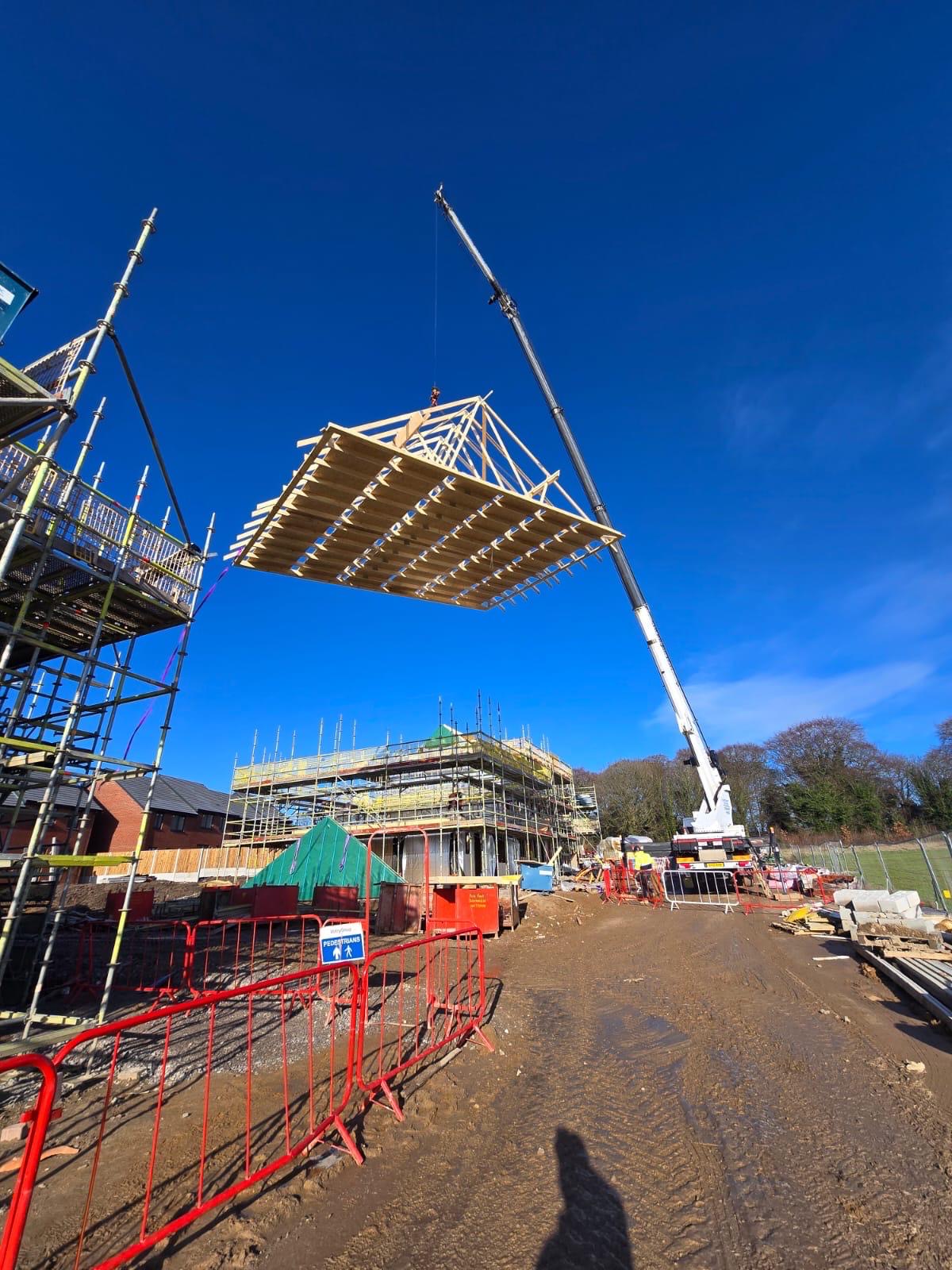
Take a look at some of the work we have carried out. Sherrington Lifts provide Crane Hire and related services in Liverpool, Manchester, and the North West.
Related Case Studies