Crane Hire
Sherrington Lifting provides reliable, professional crane hire solutions tailored to projects of all sizes and complexities. With a modern, fully certified fleet and experienced operators, we deliver safe, efficient lifting support you can depend on.
Our Approach
If you have the experience, qualifications, and on-site team to safely manage a lifting operation, CPA (Construction Plant Hire Association) Crane Hire is a flexible and cost-effective solution designed to give you full control while benefiting from professional equipment and expertise. We provide a fully certified, meticulously maintained crane along with a highly skilled and qualified operator, ensuring you have reliable support where it matters most. This option is particularly well-suited to contractors and project managers who are confident in overseeing their own lifting operations and want the assurance of high-quality machinery without the need for a fully managed service.
With CPA Crane Hire, the responsibility for planning and executing the lift remains with you. This includes appointing a competent lift supervisor, slinger/signaller, and appointed person, as well as ensuring that all required risk assessments, method statements, and insurance cover are in place prior to the lift. You will also be responsible for coordinating and managing the safe execution of the operation on-site. This level of control allows for greater flexibility, efficiency, and alignment with your project requirements, making it an excellent choice for experienced teams who prefer a hands-on approach.
However, if you’re looking for a more comprehensive, hassle-free solution, our Contract Lifting service is the ideal alternative. This fully managed option takes care of every aspect of the lifting operation, from initial planning and risk assessment through to execution and completion, giving you complete peace of mind and allowing you to focus on other areas of your project.
Crane Hire From Sherrington Lifting
Our professional crane hire services are designed to give you reliable access to a wide range of modern, high-performance cranes suitable for every type of lifting operation. Whether you’re working on a construction site, lifting heavy machinery, or managing a large-scale infrastructure project, we provide the right equipment to get the job done safely, efficiently, and on schedule. We understand that every project is different, which is why we offer flexible, tailored solutions to meet your specific requirements, no matter the size or complexity of the lift.
Our extensive fleet includes versatile mobile crane hire options, ideal for both short-term and long-term projects where adaptability and quick setup are essential. For more challenging environments, our all-terrain cranes are built to perform on rough and uneven ground, delivering stability and power in demanding conditions. We also supply heavy lifting cranes designed for large-scale construction and industrial operations, capable of handling substantial loads with precision and reliability. In addition, we offer a full range of specialist lifting equipment, including lifting tackle, slings, and spreader beams, ensuring you have everything needed to complete your lift safely and effectively.
Every piece of equipment in our fleet is regularly serviced, thoroughly tested, and maintained to the highest industry standards. This commitment to quality and safety ensures maximum performance, reduces downtime, and gives you complete confidence on every job. With our dependable crane hire services, you can focus on your project knowing you have the support of equipment you can trust.
Previous Work
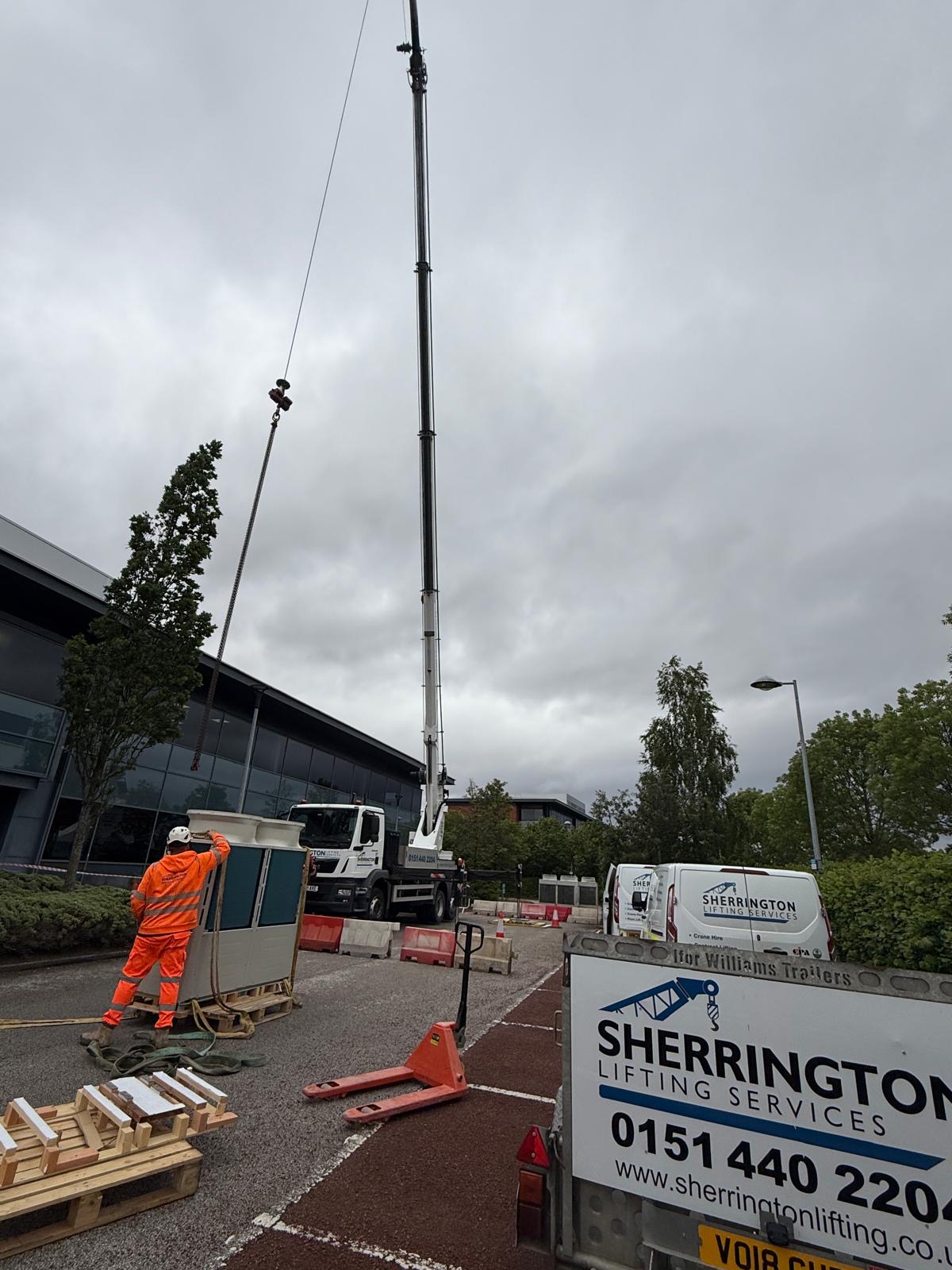
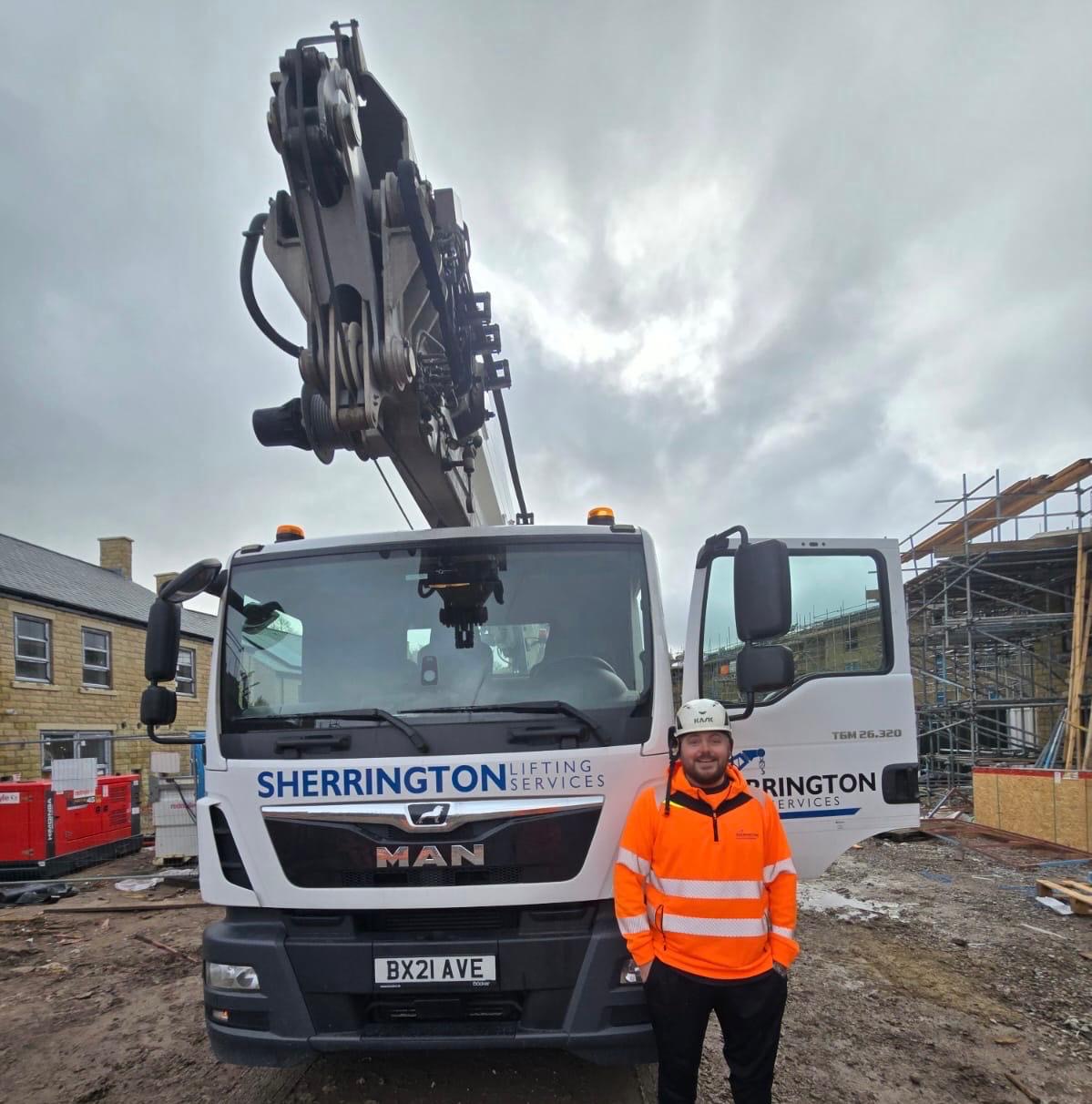
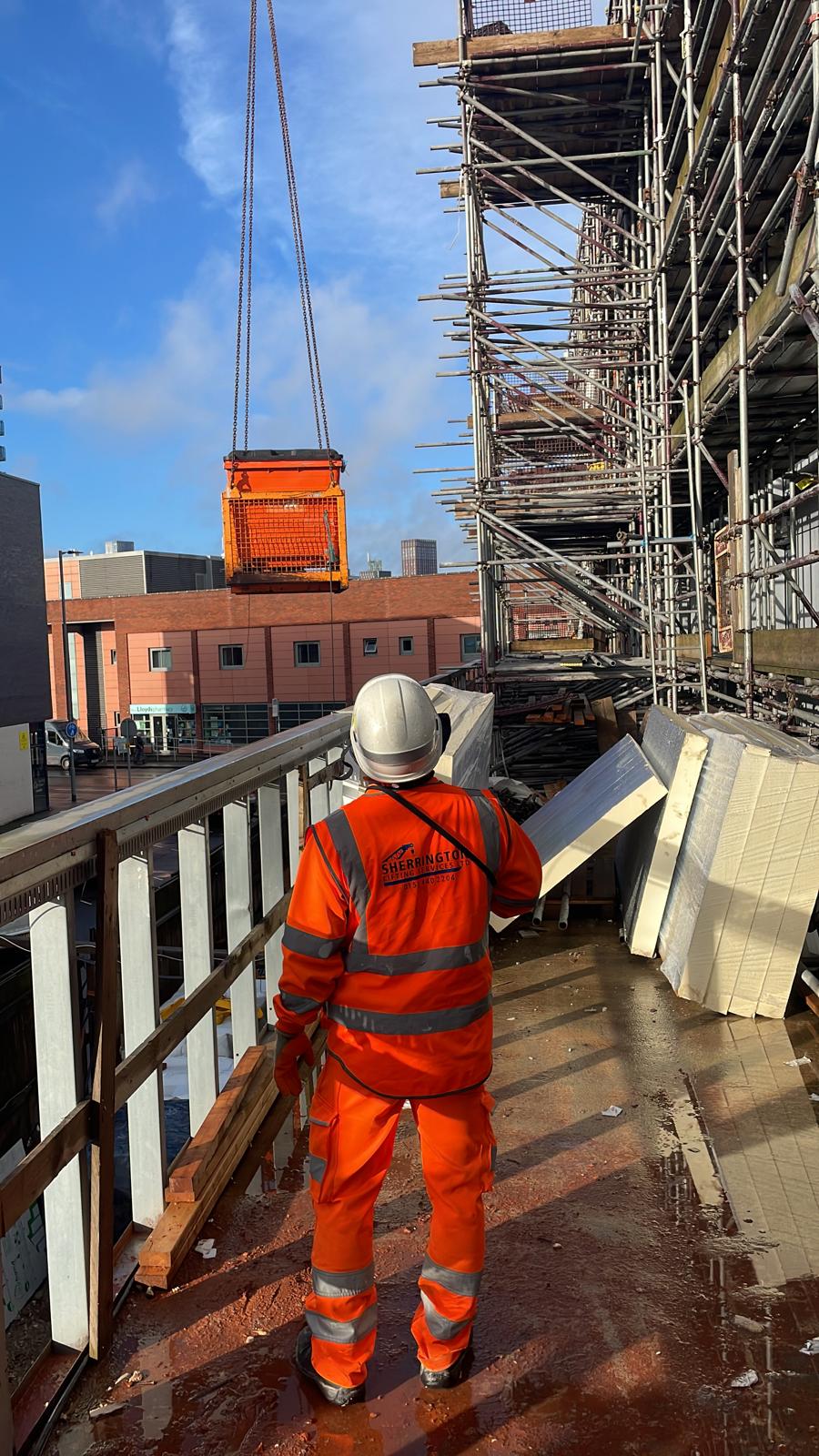
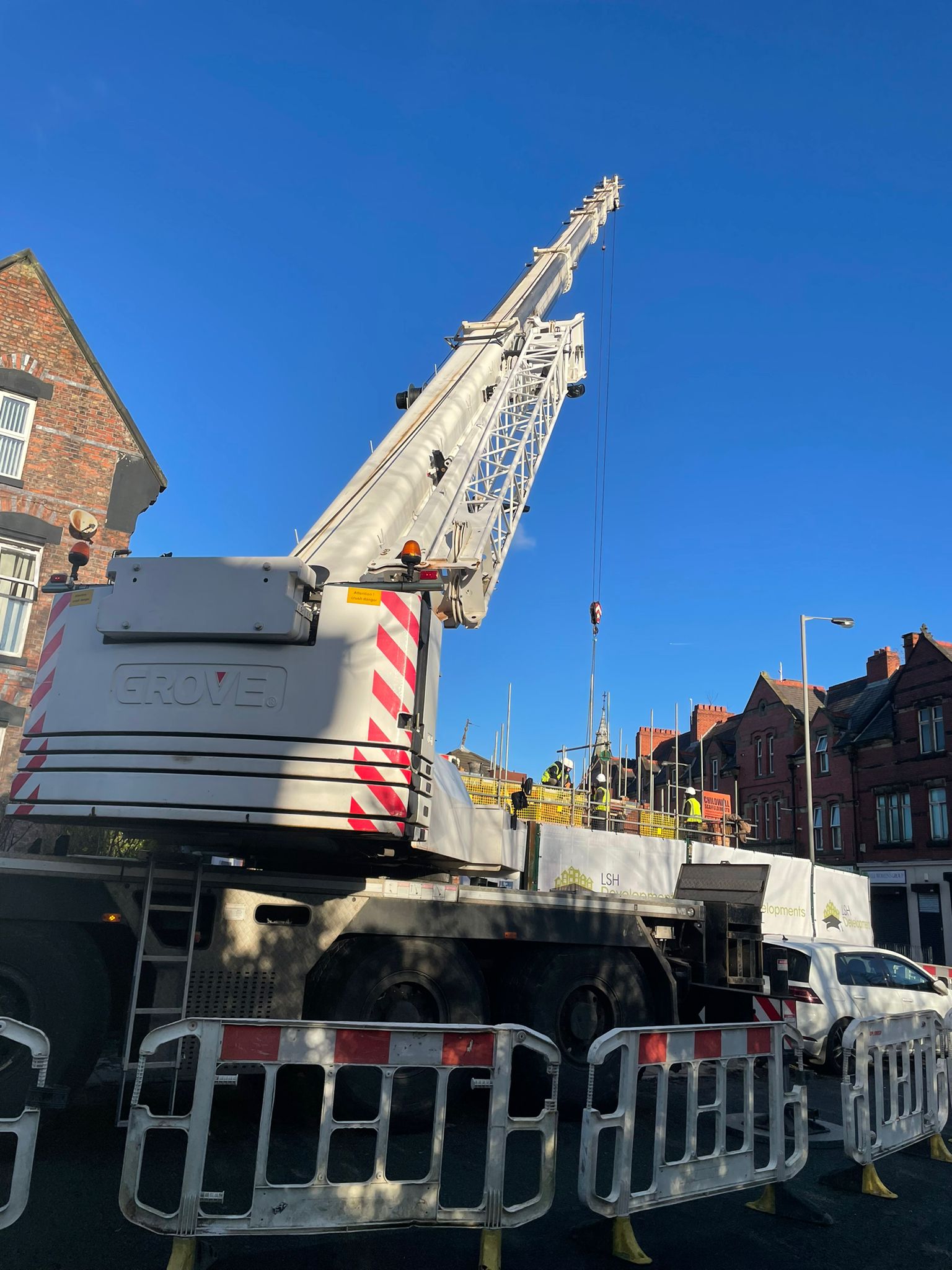
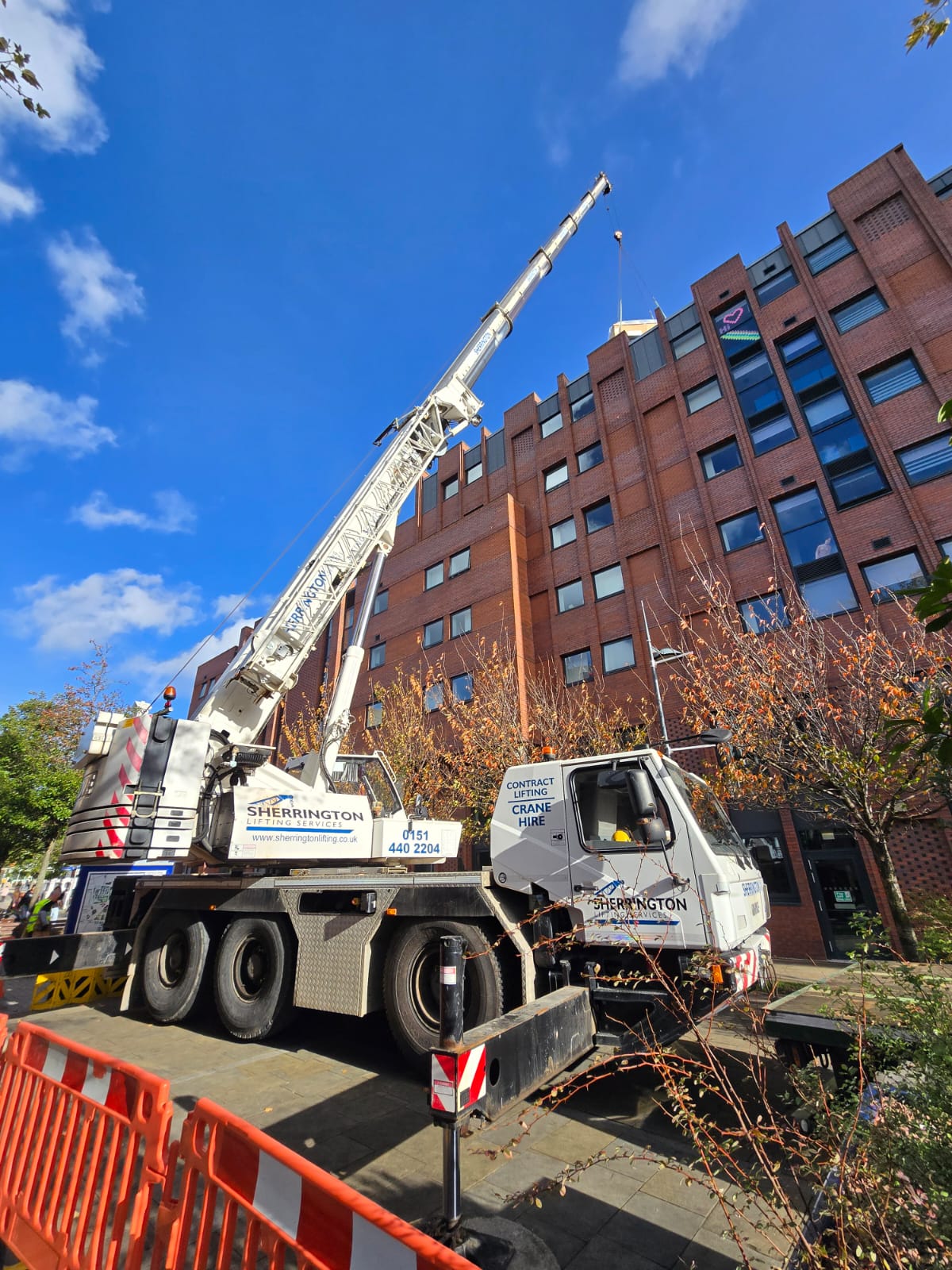
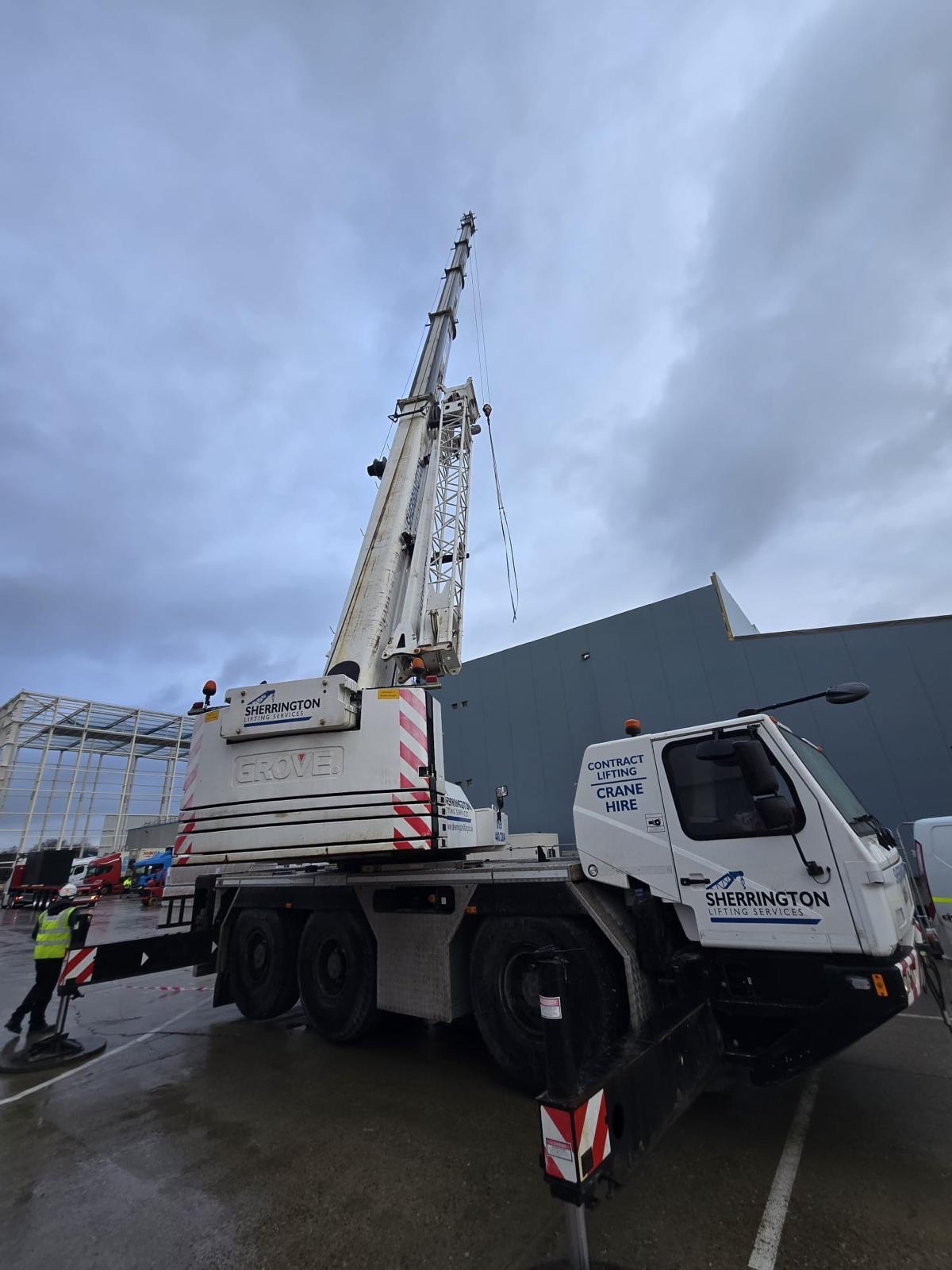
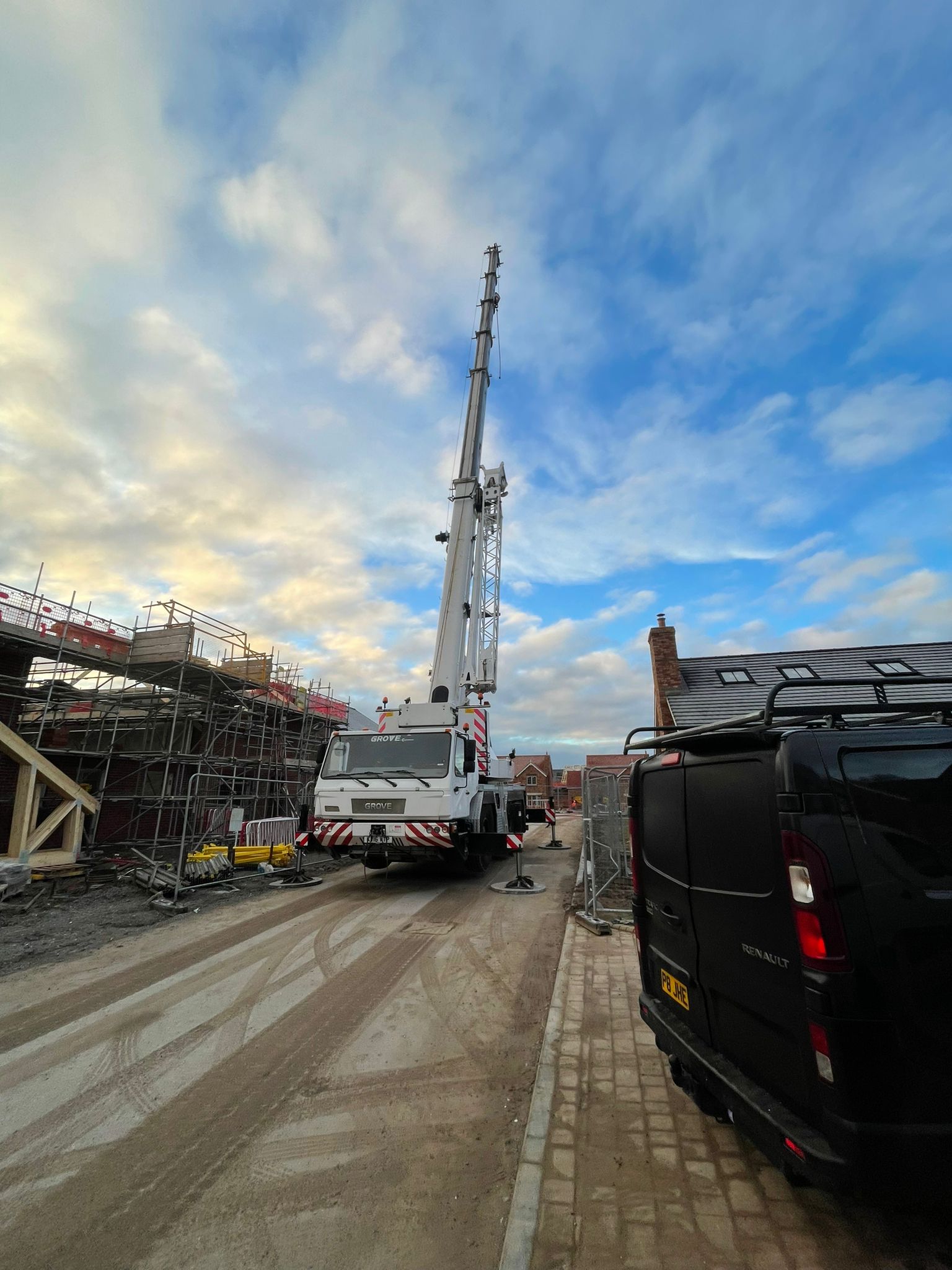
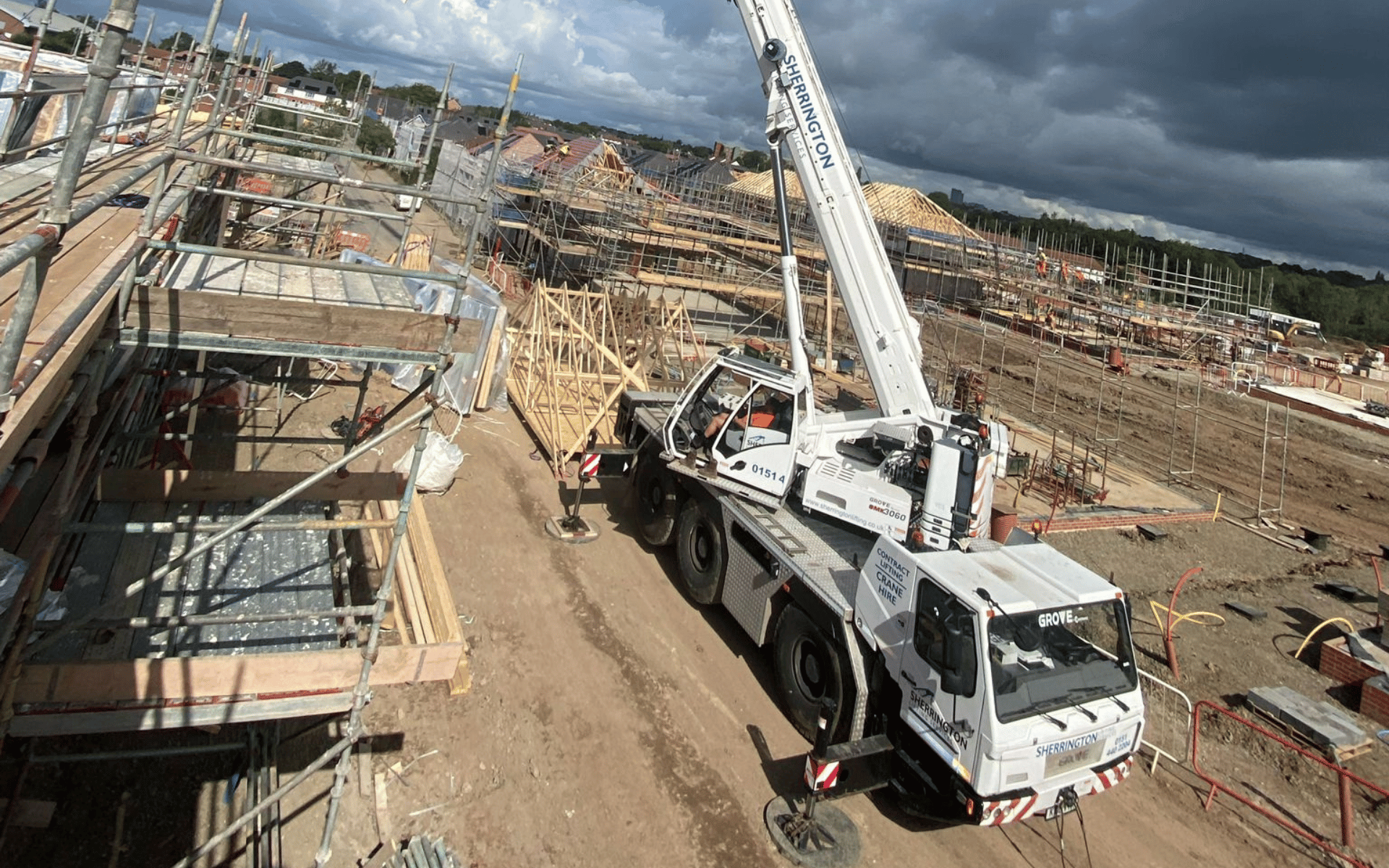
Take a look at some of the work we have carried out. Sherrington Lifts provide Crane Hire and related services in Liverpool, Manchester, and the North West.
Related Case Studies