Plant & Machinery Moving Services
Professional Mechanical Movement Solutions from Sherrington Lifting Services
Plant & Machinery Moving
At Sherrington Lifting Services, we specialise in professional plant and machinery moving solutions, delivering safe, efficient, and precise relocation services for heavy equipment across a wide range of industries. Whether you need to move a single machine, reposition production equipment, or carry out a full factory relocation, our experienced team provides a complete, end-to-end solution tailored to your requirements.
We understand that moving heavy machinery is a complex and high-risk task that requires careful planning, specialist equipment, and expert handling. That’s why we combine technical expertise with modern lifting solutions to ensure every project is completed with minimal disruption, maximum efficiency, and the highest standards of safety. Our goal is simple: to move your machinery quickly, securely, and exactly where it needs to be.
Specialist Machinery Moving Solutions
Plant and machinery moving involves far more than simply transporting equipment from one location to another. It requires detailed planning, precision lifting techniques, and the ability to work in restricted or challenging environments. At Sherrington Lifting Services, we deliver fully managed solutions that cover every stage of the process, from initial assessment through to final installation.
Our team has extensive experience working across industrial, manufacturing, construction, and logistics sectors, allowing us to handle projects of all sizes and complexities. Whether machinery needs to be moved within the same facility or transported to a completely new site, we ensure a seamless and carefully coordinated operation from start to finish.
A Complete End-to-End Service
When you choose Sherrington Lifting Services, you are not just hiring a team to move machinery—you are partnering with specialists who manage the entire process for you. Every project begins with a detailed site survey, where we assess access, lifting requirements, and any potential challenges. This allows us to develop a tailored strategy that ensures the safest and most efficient approach.
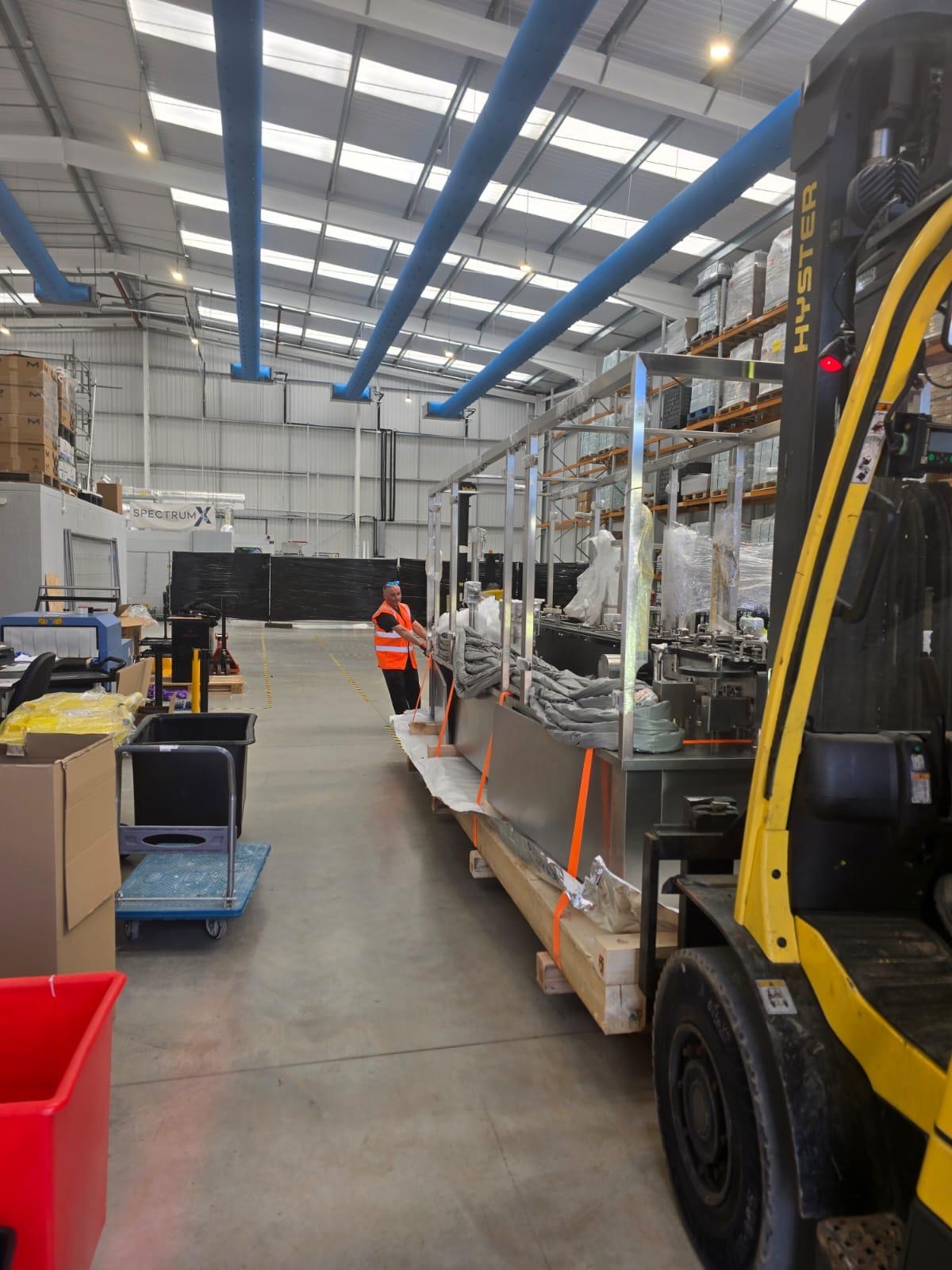
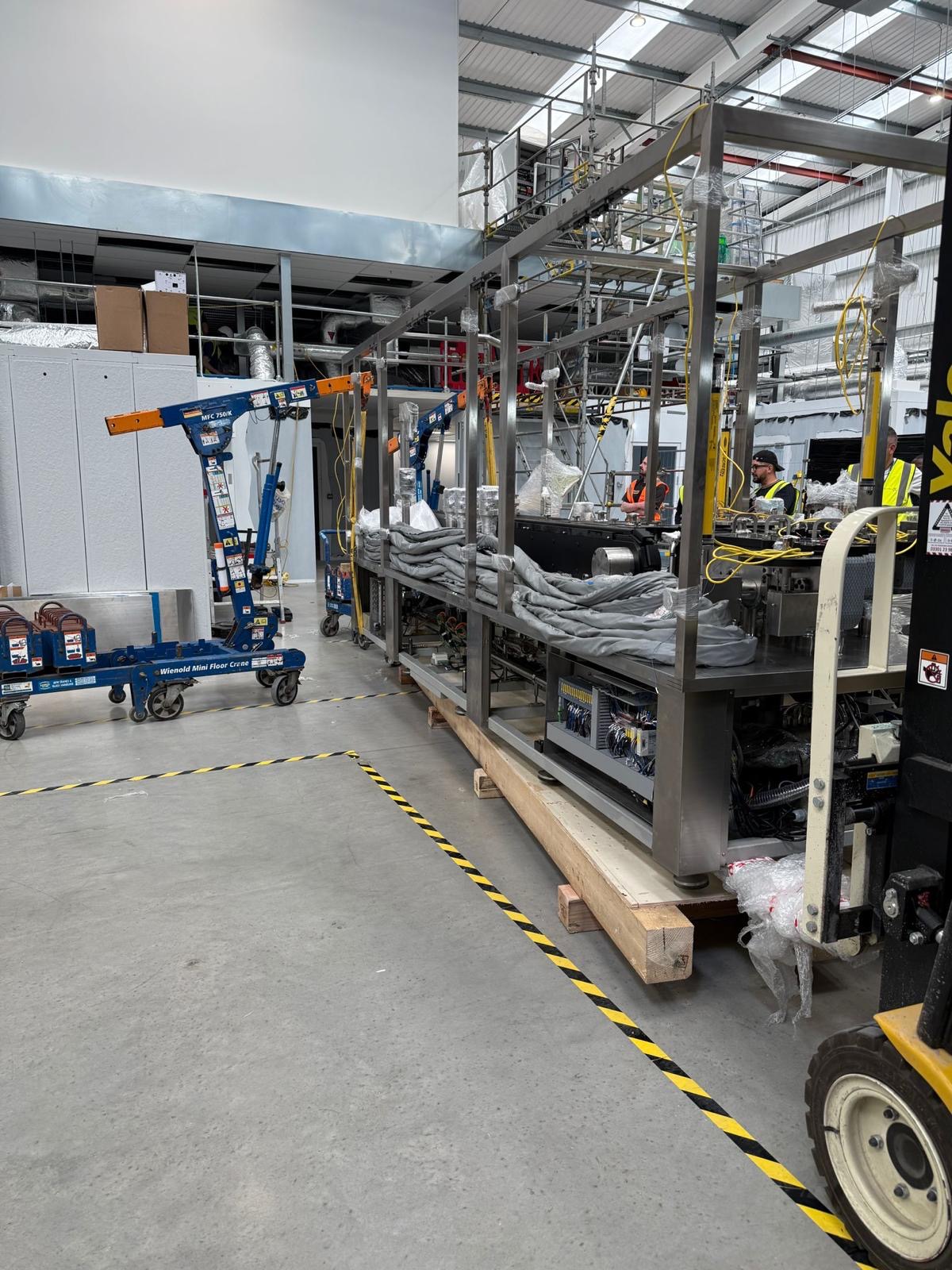
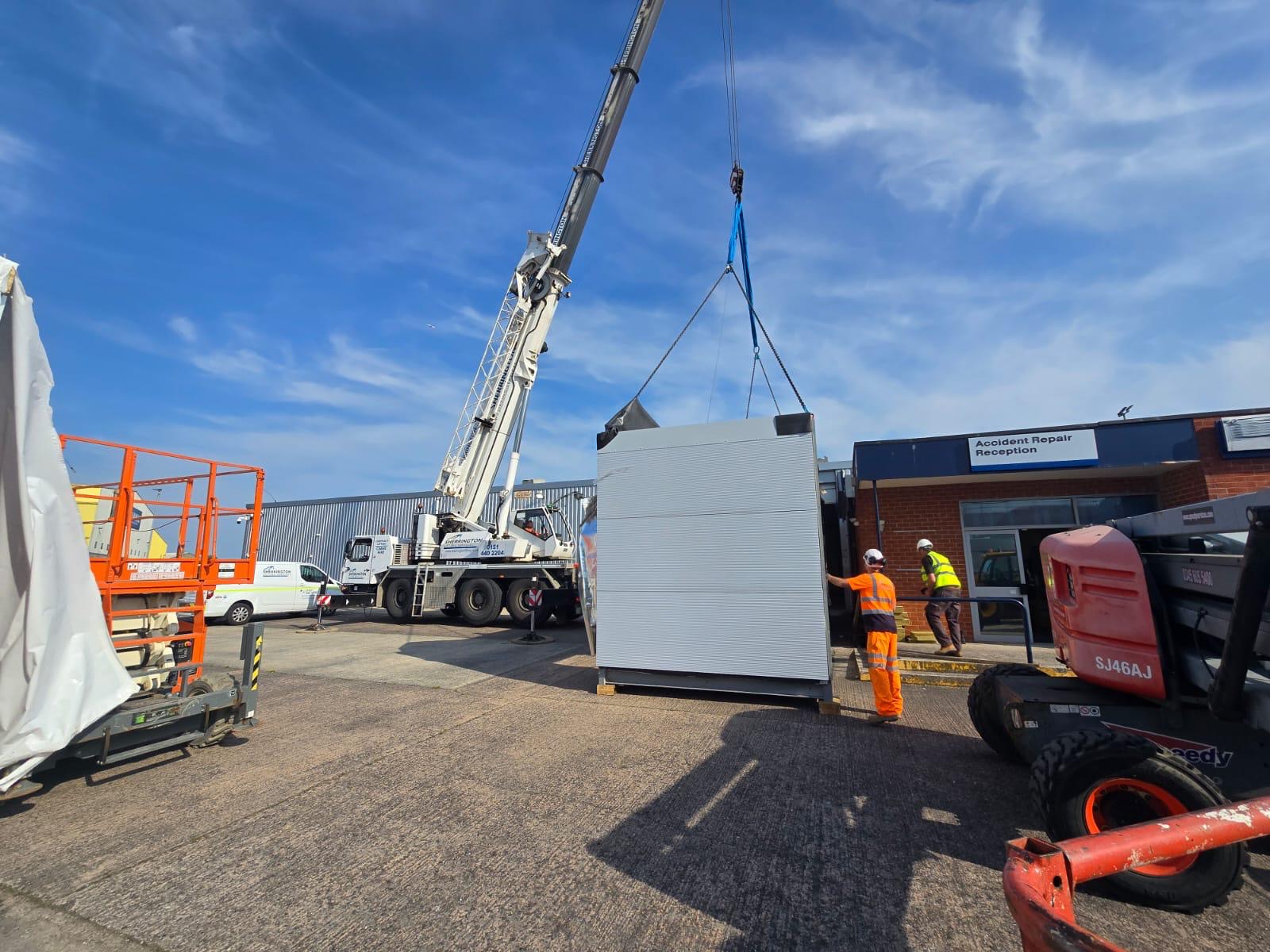
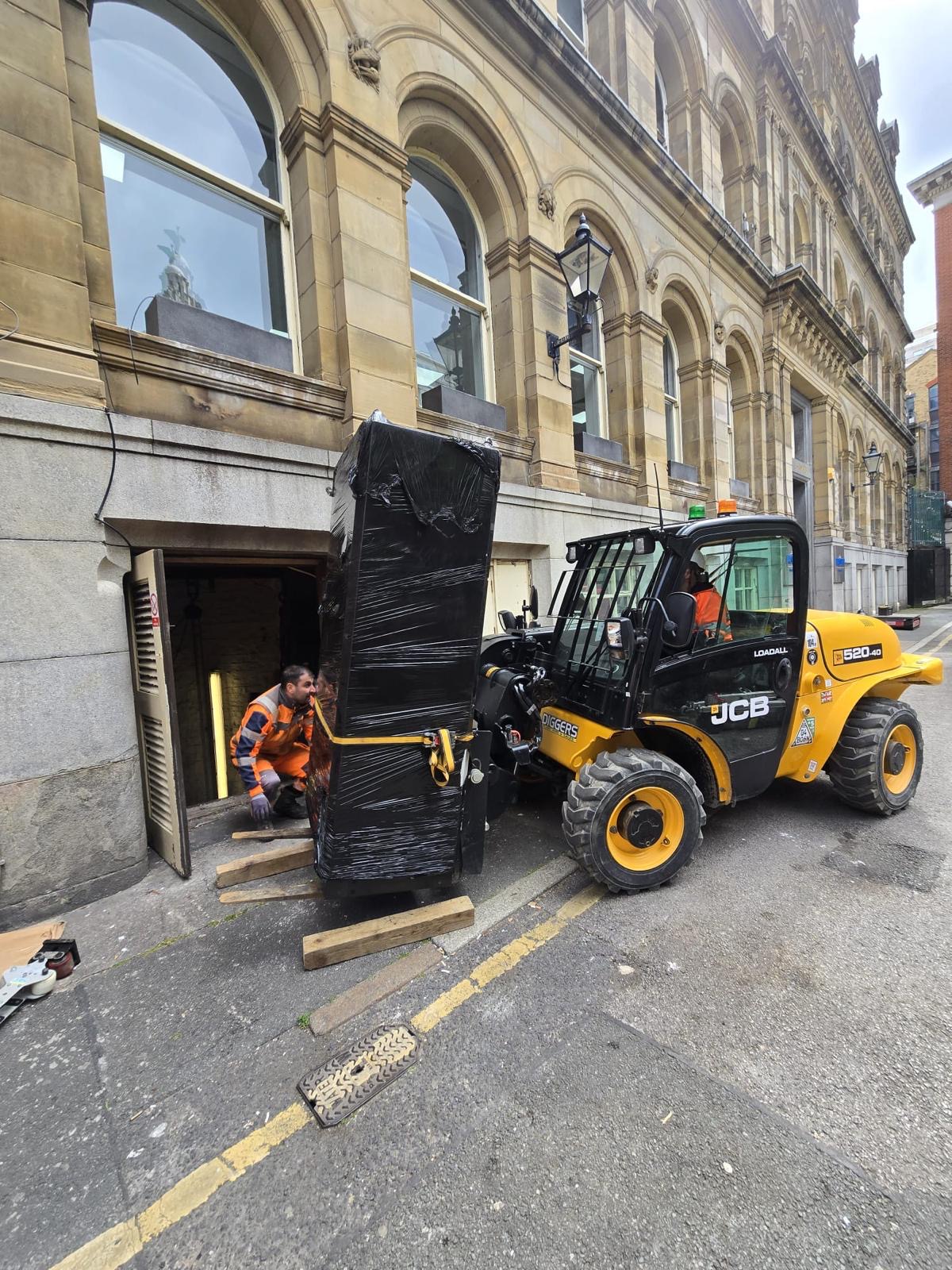
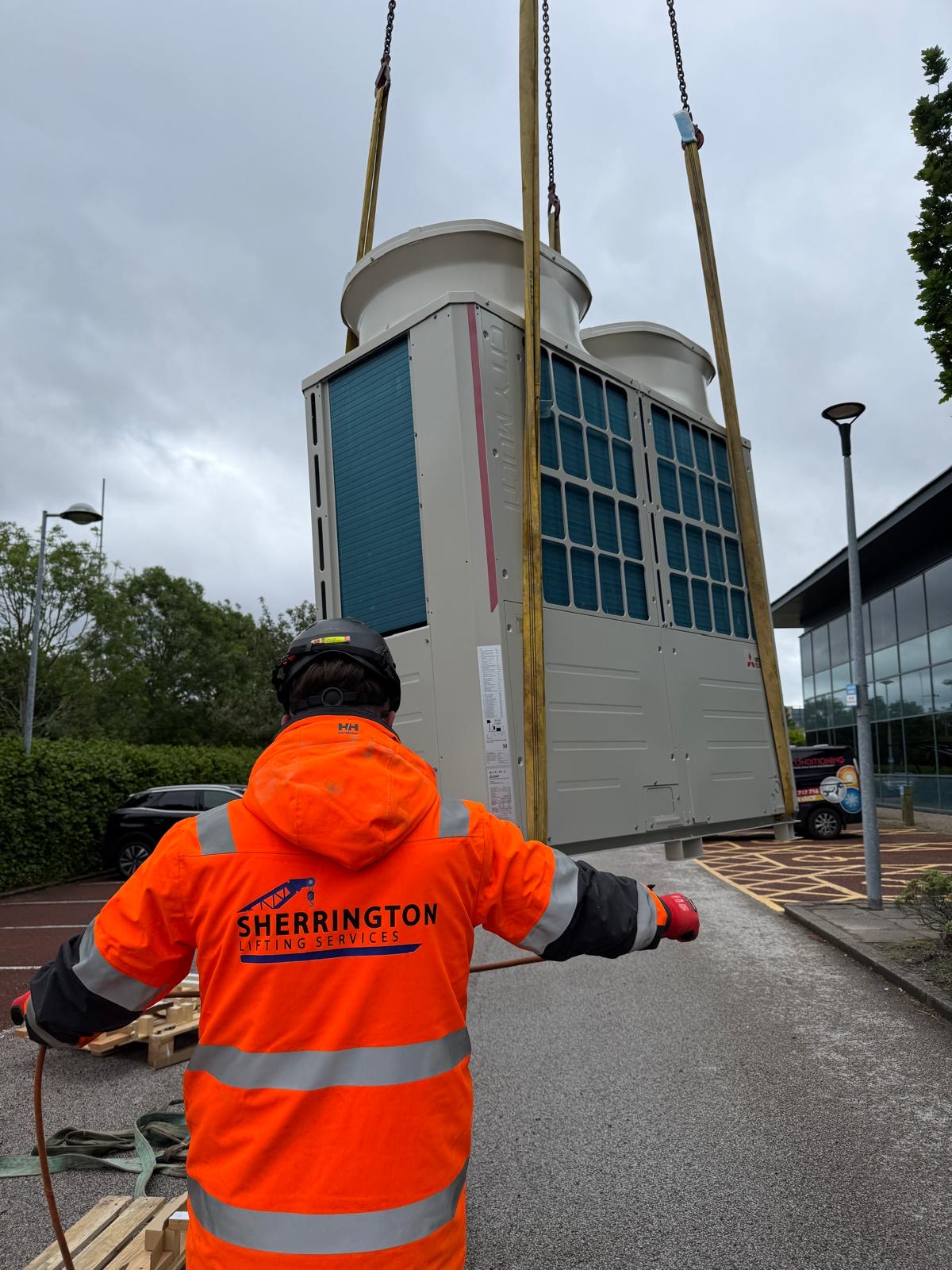
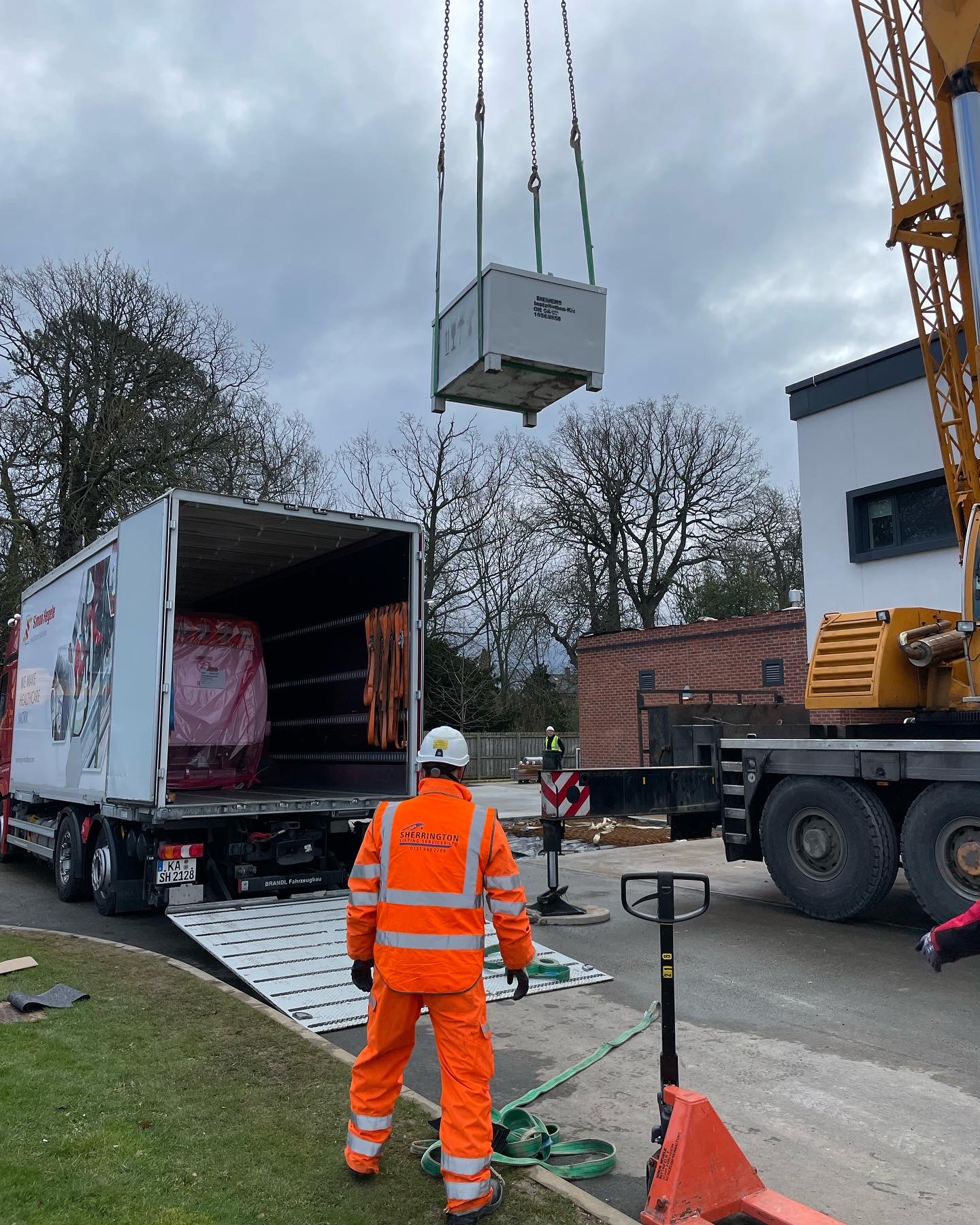
We provide full lift planning and risk assessments, including detailed method statements, so every stage of the move is carefully controlled and fully compliant with industry regulations. Using specialist equipment such as hydraulic jacks, skates, gantry systems, forklifts, and cranes, we are able to lift, manoeuvre, and position machinery with complete accuracy, even in confined spaces.
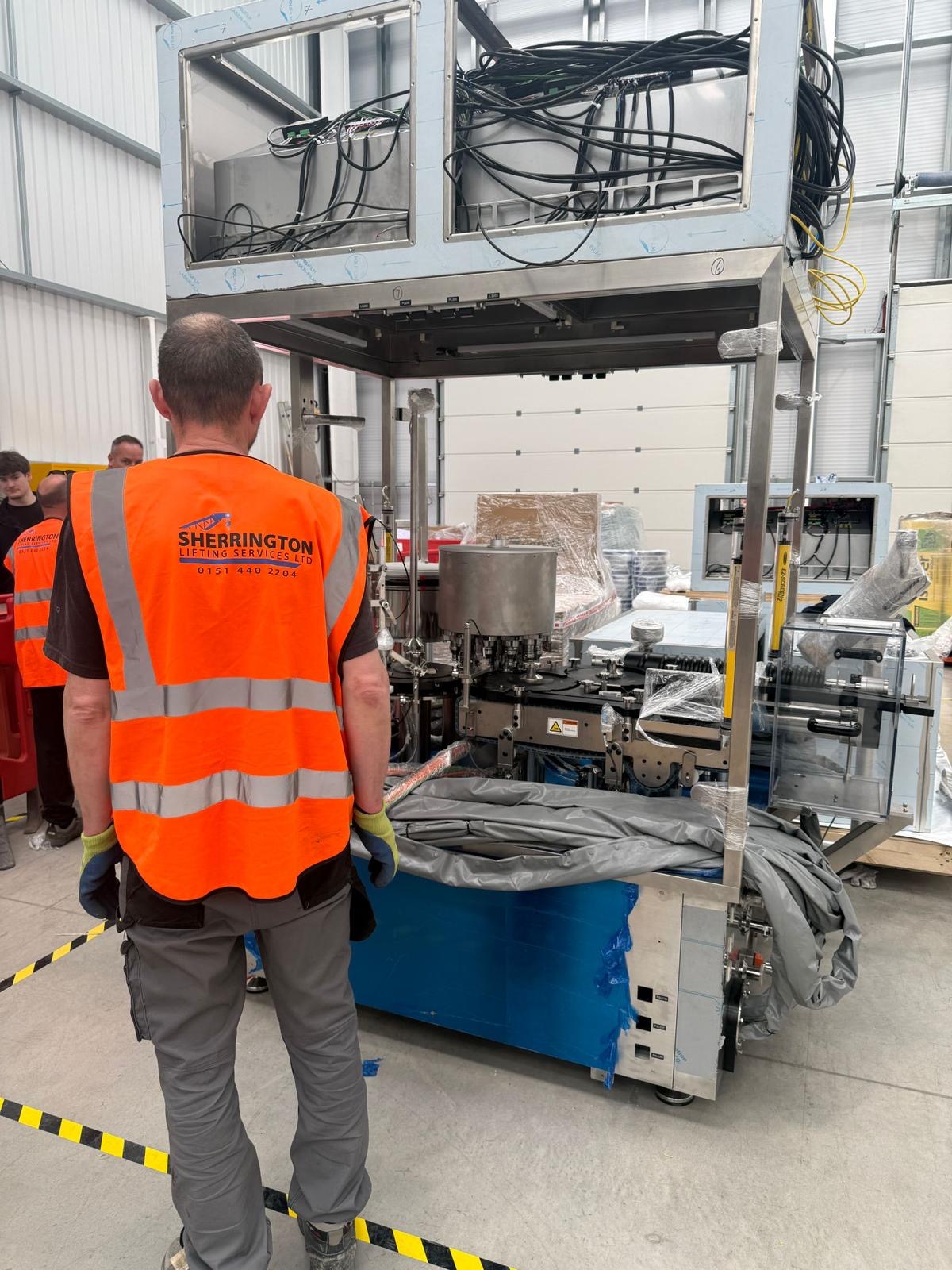
Our service also includes dismantling and reassembly where required, ensuring that complex machinery can be safely transported and reinstalled without compromising performance. By managing everything from disconnection to final positioning, we minimise downtime and help your operations resume as quickly as possible.
Safe, Compliant, and Professional
Safety is at the heart of every project we undertake. Moving plant and machinery involves significant risks, which is why we operate to strict industry standards and regulations. All work is carried out in line with recognised UK guidelines, including LOLER and BS 7121, ensuring that every lift is performed safely and professionally.
Our team consists of highly trained and experienced personnel, including riggers, engineers, and crane operators, all of whom understand the complexities of machinery movement. We also carry comprehensive insurance coverage, giving you complete peace of mind that your equipment, site, and personnel are fully protected throughout the process.
Applications for Plant & Machinery Moving
Our plant and machinery moving services are used across a wide range of industries where precision, reliability, and safety are essential. In manufacturing environments, we regularly support factory relocations, production line moves, and the installation of CNC machines, presses, and specialist equipment. These projects often require careful coordination to ensure minimal disruption to operations.
In construction and infrastructure sectors, we assist with the movement of heavy plant, structural components, and large-scale equipment. We also work within energy and utilities industries, where machinery such as generators, transformers, and turbines must be positioned with absolute accuracy.
Additionally, our services are ideal for warehousing and logistics environments, where automated systems, conveyors, and large equipment need to be repositioned or installed efficiently. Even in highly sensitive sectors such as healthcare and pharmaceuticals, we provide controlled and precise machinery movement to protect delicate equipment and maintain strict operational standards.
Supporting Projects Across the North West and UK
Based in Liverpool and operating throughout Manchester and the wider North West, Sherrington Lifting Services provides reliable plant and machinery moving services across the UK. We work closely with site managers, engineers, and project teams to ensure that every move is carefully planned and executed in line with your project timeline.
Our reputation is built on delivering dependable, high-quality services that businesses can trust. We understand the importance of keeping projects on schedule and operations running smoothly, which is why we focus on clear communication, efficient execution, and consistent results.
Get a Quote for Plant & Machinery Moving
If you are planning to relocate, install, or reposition heavy machinery, Sherrington Lifting Services offers the expertise and equipment needed to complete the job safely and efficiently. From initial planning through to final installation, we provide a fully managed service designed to meet the demands of your project.
Contact our team today to discuss your requirements and receive a competitive, no-obligation quote.
Previous Work
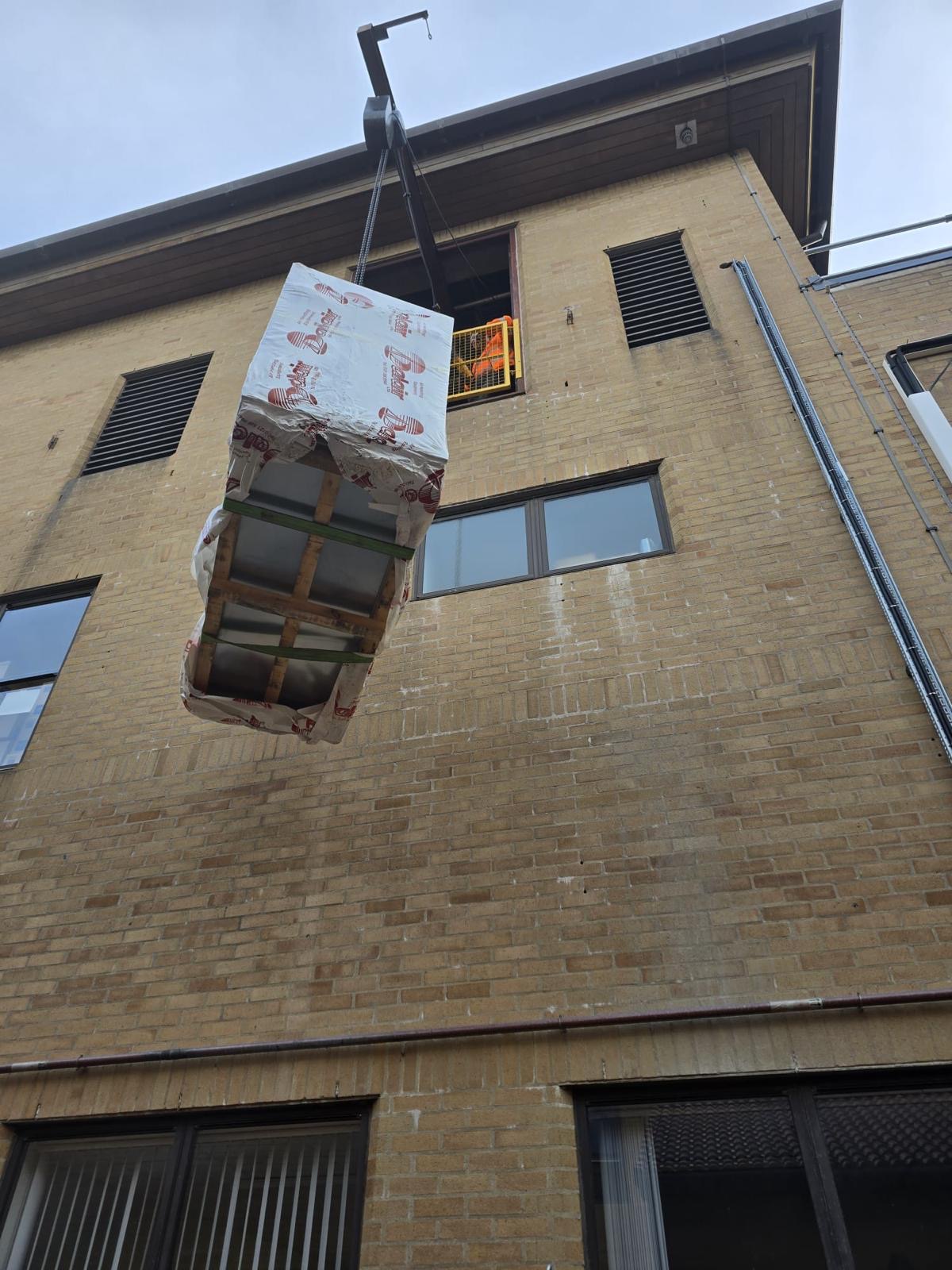
Take a look at some of the work we have carried out. Sherrington Lifts provide Crane Hire and related services in Liverpool, Manchester, and the North West.
Related Case Studies