Traffic Management
Professional Traffic Management Solutions from Sherrington Lifting Services
Traffic Management Services in Liverpool and Across the UK
When lifting operations take place in busy or restricted environments, effective traffic management is essential to ensure safety, compliance, and minimal disruption. At Sherrington Lifting Services, we provide professional traffic management solutions to support crane operations, contract lifts, and heavy lifting projects across Liverpool, Manchester, and throughout the UK.
Traffic management involves the careful planning and control of vehicle and pedestrian movement around a worksite. Whether a crane needs to be positioned on a public road or a lift is taking place in a high-traffic area, proper systems must be put in place to protect workers, road users, and the surrounding environment. This can include road closures, lane restrictions, diversions, temporary traffic lights, and pedestrian control measures — all designed to create a safe and efficient working zone.
At Sherrington Lifting, we take a fully managed approach to traffic management, removing the complexity from your project. Our team carries out detailed site assessments to understand access requirements, traffic flow, and potential risks. From there, we develop a tailored traffic management plan that ensures your lifting operation runs smoothly while meeting all UK safety standards and regulations.
We handle all communication with local authorities and councils, arranging the necessary permits, licences, and road closures where required. This includes coordinating parking suspensions, pedestrian diversions, and any specialist requirements needed to safely carry out the lift. By managing these processes on your behalf, we save you time and eliminate the administrative burden often associated with traffic control.
Our experienced team provides all the necessary equipment and personnel to implement traffic management on-site. This includes signage, barriers, cones, and fully trained traffic marshals who ensure safe movement of vehicles and pedestrians throughout the operation. Every aspect is carefully controlled and monitored to maintain safety, reduce disruption, and keep your project running efficiently.
Traffic management is particularly important for crane lifts in urban environments, construction sites, and locations with limited access. By carefully controlling traffic flow and securing operational zones, we help prevent accidents, protect the public, and ensure your lifting project is completed without unnecessary delays. Effective traffic management not only improves safety but also enhances efficiency and keeps your project compliant with industry regulations.
At Sherrington Lifting Services, we provide a complete, end-to-end traffic management service designed to support your lifting operations from start to finish. Whether you require short-term road closures for a single lift or ongoing traffic control for a larger project, we deliver reliable, professional solutions tailored to your needs.
Contact us today to discuss your project and discover how our expert traffic management services can help make your next lift safe, compliant, and hassle-free.
Previous Work
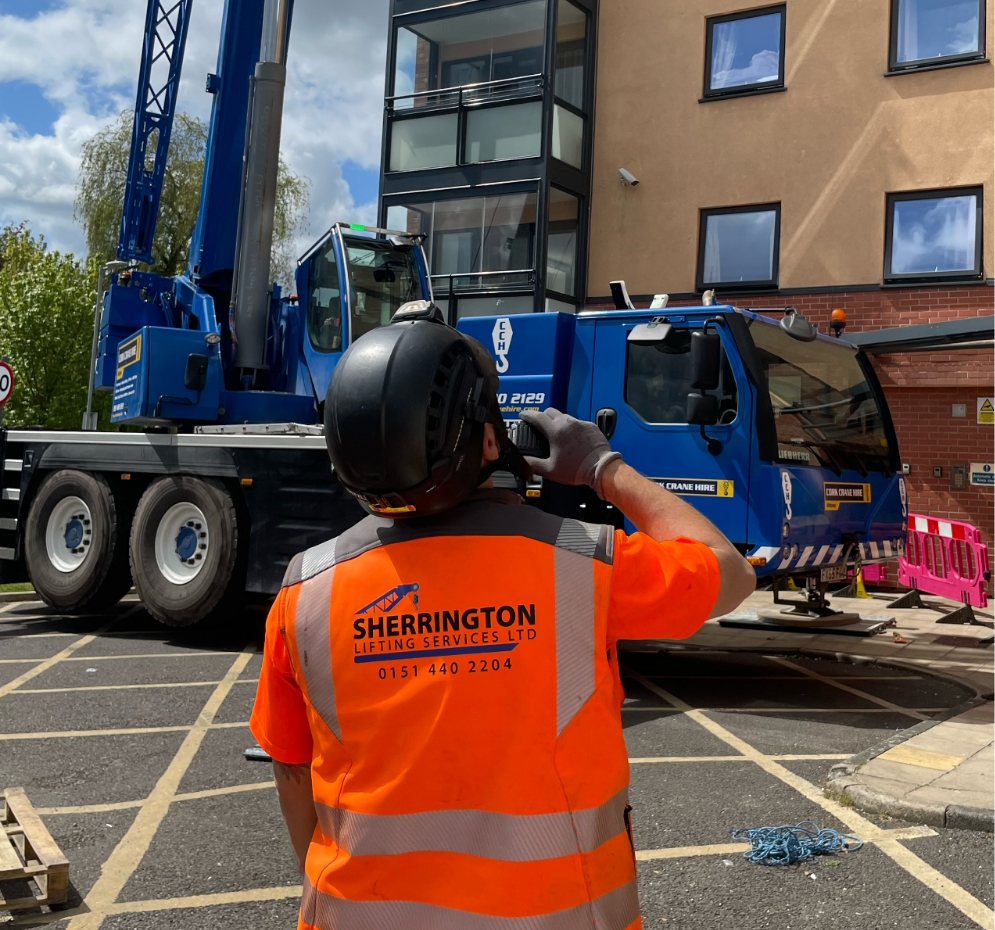
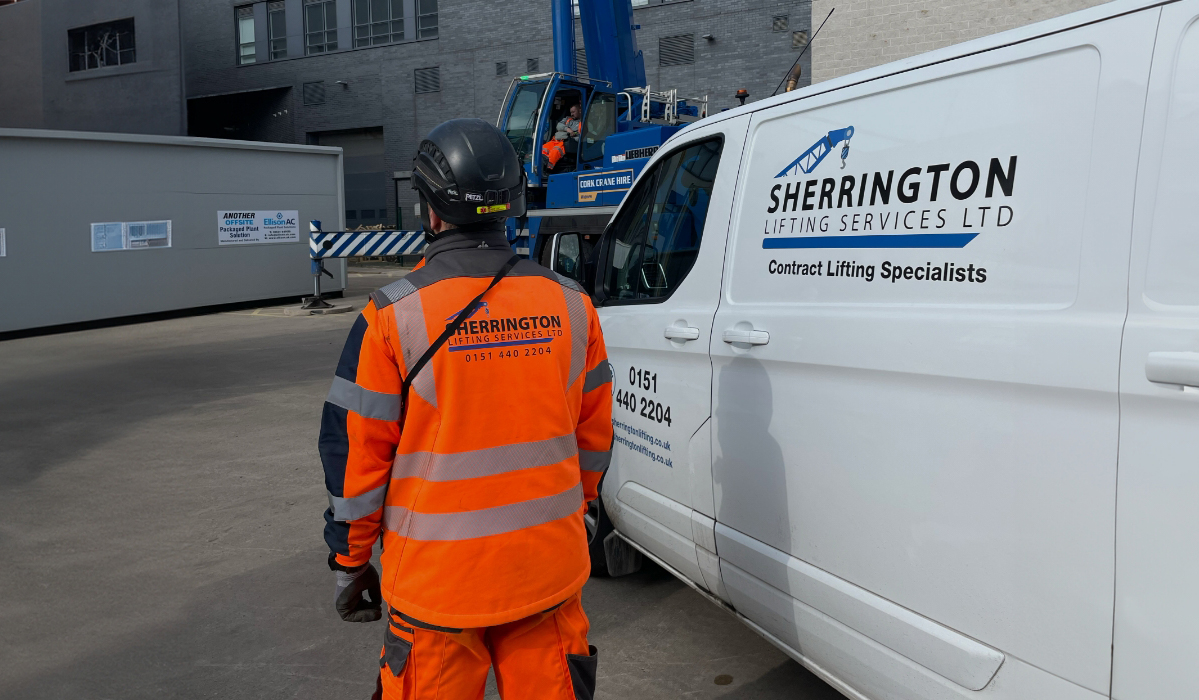
Take a look at some of the work we have carried out. Sherrington Lifts provide Crane Hire and related services in Liverpool, Manchester, and the North West.




Related Case Studies